What Is Microbiology and What Is It Used For?
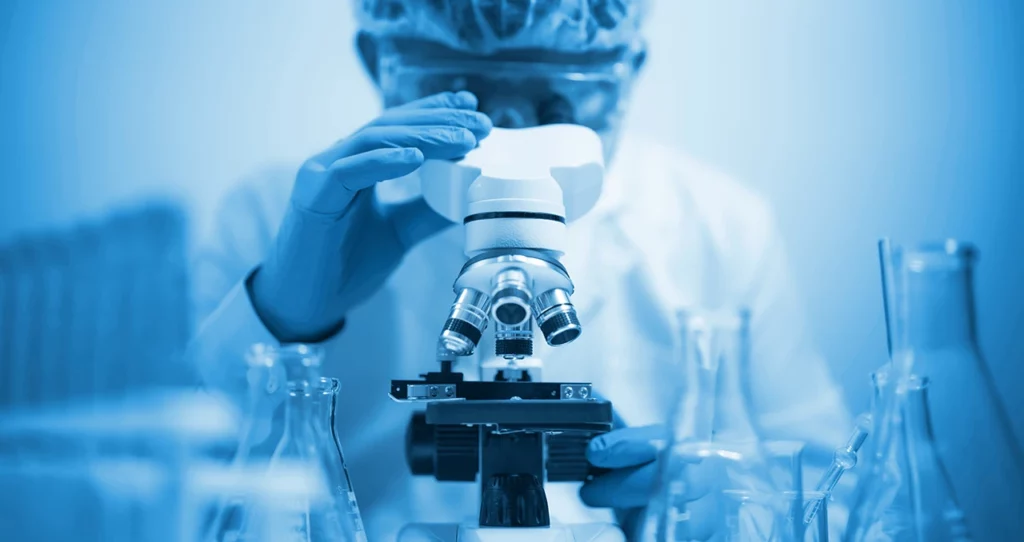
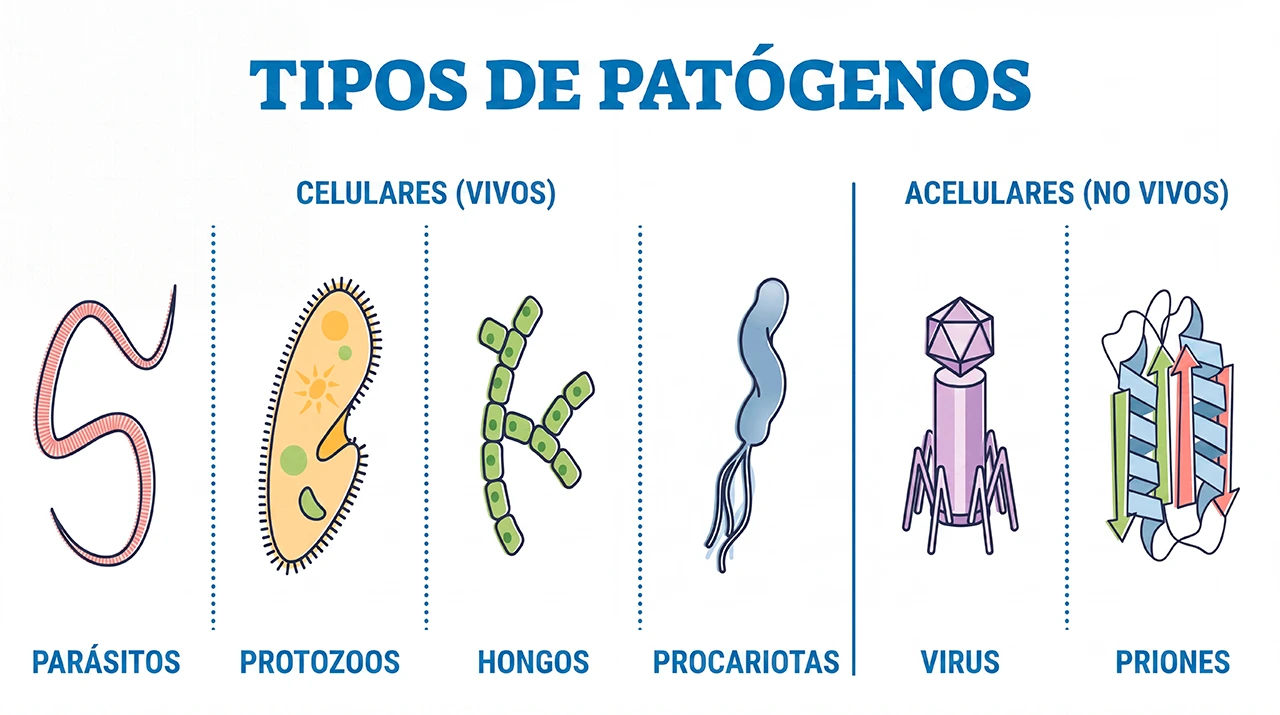
Microbiology is the science that studies microorganisms—living beings that cannot be seen with the naked eye and require a microscope for analysis. These include bacteria, viruses, fungi, protozoa, and certain microscopic algae.
In the medical field, this discipline plays a fundamental role. Its scope helps identify infectious agents in a timely manner, elucidate the mechanisms by which they cause disease within the body, and provide key scientific support for the diagnosis, treatment, and prevention of various infections.
What Microbiology Studies
The scope of microbiology is exceptionally broad, encompassing the comprehensive analysis of microscopic life. To understand the behavior of these organisms, the field of study in microbiology focuses on the following core aspects:
- Structure and behavior: Analyzing cellular forms, their internal components, and how they adapt to diverse environments.
- Reproduction and growth: Investigating how microorganisms multiply and under what biological conditions they thrive or are inhibited.
- Environmental interactions: Studying the crucial role they play in ecosystems, organic decomposition, and biogeochemical cycles.
- Interaction with the human body: Evaluating how they interact with living beings—distinguishing between beneficial microorganisms and pathogens (those capable of causing disease).
What Microbiology Is Used For
Beyond theoretical research, the importance of microbiology lies in its practical applications for preserving health and life. When evaluating the role of microbiology in modern society, its primary functions include:
- Accurate infection diagnosis: Enables the precise identification of the specific germ causing an illness in a patient.
- Prevention and vaccine development: Serves as the foundation for designing immunizations that train the immune system to defend against future pathogen attacks.
- Appropriate use of antimicrobials: Helps determine which specific drug is effective against a microorganism, directly combating drug resistance.
- Epidemiological surveillance: Essential for the early detection of disease outbreaks, controlling transmission, and designing public health strategies during pandemics.
- Study of the human microbiome: Allows for the exploration of the beneficial microorganisms that naturally inhabit our bodies (such as the gut microbiota), directly influencing digestion, immunity, and overall health.
- Innovation across multiple sectors: Beyond medicine, research in this field is vital for food safety, environmental protection, and industrial biotechnological processes.
Medical Microbiology: Relationship with Human Health
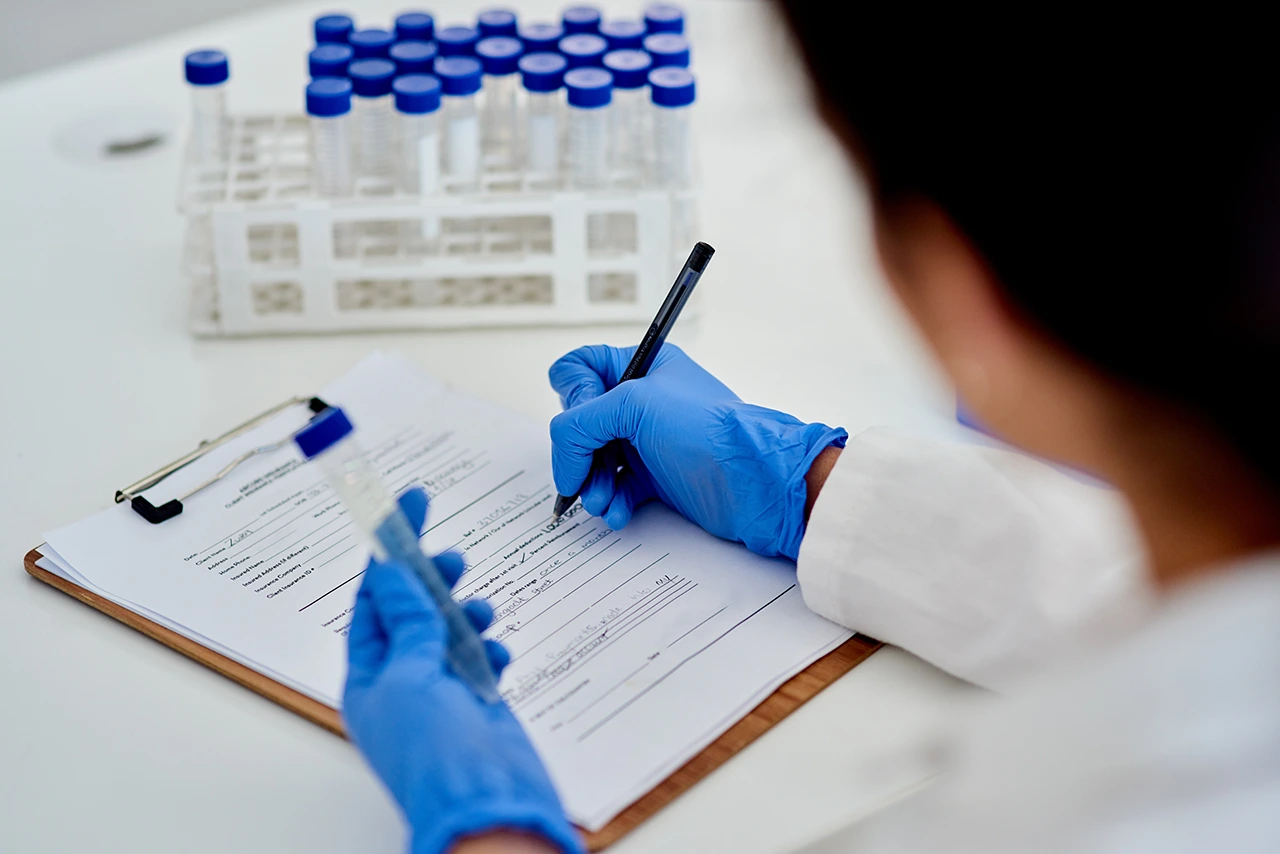
Medical microbiology is the subdiscipline specializing in the study of microorganisms responsible for causing infectious diseases in humans. Given its purely clinical focus, its primary objective is to understand the complex interaction between the host and the pathogen.
This field analyzes mechanisms of pathogenicity—how viruses, bacteria, or fungi adhere to host cells, evade immune system defenses, and release toxins that cause tissue damage. The knowledge derived from medical microbiology underpins the discovery of novel antimicrobial treatments (including antibiotics, antivirals, and antifungals) and enables the implementation of hospital protocols to prevent infection transmission.
Diagnostic Microbiology: How It Helps Detect Infections
Diagnostic microbiology serves as the operational and methodological arm responsible for the molecular, biological, and chemical identification of pathogens in healthcare. Its close integration with the Clinical Pathology Laboratory provides medical specialists with the evidence needed to make informed clinical decisions.
To achieve precise infectious disease diagnosis, it relies on advanced laboratory modalities, such as:
- Microbiological cultures: Techniques used to isolate and propagate bacteria or fungi in controlled media for detailed analysis.
- Serological testing: Blood tests designed to detect the presence of specific antibodies or antigens.
- PCR (Polymerase Chain Reaction): High-precision molecular biology assays—or PCR tests—that amplify pathogen genetic material to rapidly identify it, even when present in minute quantities.
- Genetic sequencing: Cutting-edge technology that decodes the genetic sequence of microorganisms to analyze molecular variants and complex resistance profiles.
The accurate medical interpretation of these laboratory results dictates treatment success and ensures patients receive the exact therapy required.
Branches of Microbiology
To effectively study the microscopic world, the classification of microbiology is divided into specialized fields based on the type of organism or environment being evaluated.
The main branches of microbiology include:
- Bacteriology: Dedicated to the study of bacteria, focusing on their structure, genetics, and bacterial metabolism. It is essential for identifying species linked to severe human illnesses, such as Escherichia coli, Mycobacterium tuberculosis, or Staphylococcus aureus.
- Virology: Focused on analyzing viruses—submicroscopic entities requiring living cells to replicate—and their impact on human health.
- Mycology: The study of fungi (both yeasts and molds), their biology, and fungal infections (mycoses) that affect the skin or internal organs.
- Parasitology: Responsible for studying parasites, including protozoa and helminths (worms), that live on or inside a host organism.
- Medical or Clinical Microbiology: Centered specifically on microorganisms that affect human health and their management within healthcare settings.
- Environmental Microbiology: Analyzes the behavior and utility of microbes within natural resources, including water, soil, and air.
- Industrial Microbiology: Explores the application and utilization of microorganisms in the production of food, fermented beverages, pharmaceuticals, and industrial enzymes.
Basic Concepts of Microbiology
To better understand medical advances and health reports, it is helpful to become familiar with key terms in general microbiology:
- Microorganism: Any microscopic form of life, which can be single-celled (unicellular) or multicellular.
- Pathogen: A microorganism with the capacity to cause disease or damage in a living host.
- Microbiome: The entire ecosystem of microorganisms (bacteria, viruses, fungi) along with their genes and the environment they inhabit within our body.
- Microbiological culture: A laboratory method that promotes the multiplication of a microorganism in a nutrient medium to facilitate its identification.
- Antimicrobial: A substance that kills or inhibits the growth of microorganisms. This includes antibiotics (for bacteria), antivirals (for viruses), and antifungals (for fungi).
- Antimicrobial resistance: The ability of a microorganism to mutate and resist the effects of a drug that originally destroyed it, representing one of the greatest challenges in modern medicine.
Microbiology is the cornerstone of early detection and targeted treatment for infectious diseases. The collaboration between scientific research, medical specialists, and the Clinical Pathology Laboratory ensures high standards of quality and patient safety in healthcare.
Clinical Pathology Laboratory
At the Clinical Pathology Laboratory of ABC Medical Center, we offer specialized care. Contact us today!
Disclaimer: The content of this material is for informational purposes only and does not, under any circumstances, replace a consultation with a medical specialist. ABC Medical Center assumes no liability for alternative uses of this information. If you require further medical advice, please consult your trusted specialist directly.