

Joint Replacements

Specialized diagnosis and treatment for joint, sports, and degenerative injuries.

Joint Replacements: Symptoms, Causes, and Treatments
Joint replacement is a surgical procedure in which a damaged joint is replaced with an artificial prosthesis, with the primary goals of eliminating or significantly reducing pain and restoring the patient’s ability to move freely.
Demand for these procedures has grown due to an aging population, earlier diagnosis of conditions such as osteoarthritis, and advances in medical technology.
At our Joint Replacement Clinic, we provide comprehensive care before, during, and after surgery, accompanying each patient throughout their recovery.
Schedule your evaluation with one of the best joint replacement specialists in Mexico City and receive a personalized diagnosis.
When to Consider a Joint Replacement
A joint replacement may be necessary when:
- Persistent pain does not improve with treatment
- Mobility is significantly limited
- Severe joint degeneration is present (advanced osteoarthritis)
- Daily activities such as walking or getting up are affected
- A fracture compromises the joint
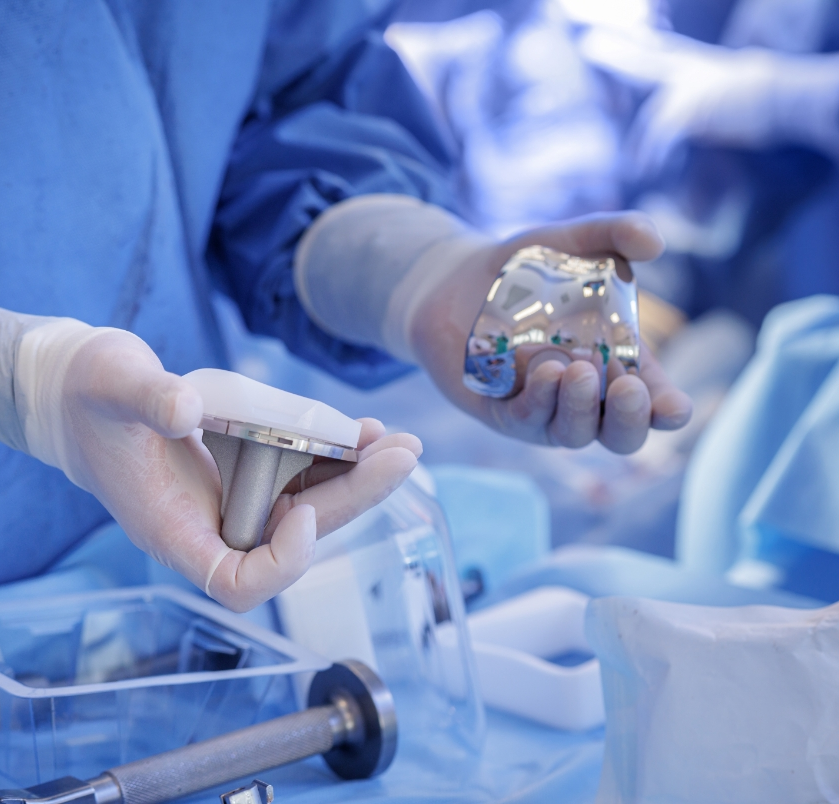
Principales padecimientos
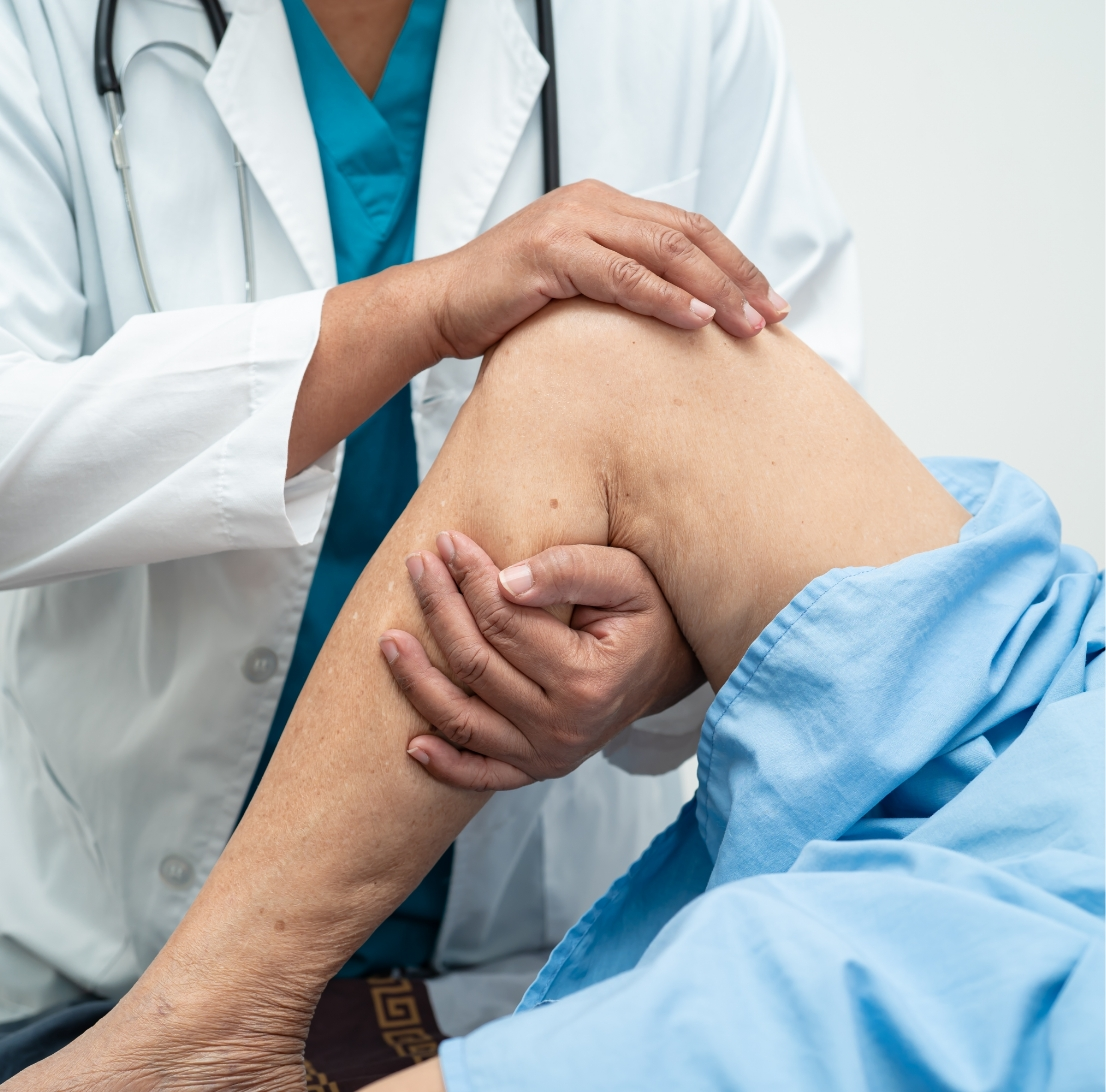
Conditions That May Require a Joint Replacement
Joint replacement is a treatment option for patients experiencing persistent pain, limited movement, and progressive joint deterioration when other conservative treatments are no longer effective.
Several conditions can damage a joint and significantly affect the quality of life:
- Osteoarthritis: The most common reason for joint replacement. It involves progressive wear of the cartilage covering the joint, causing pain, stiffness, and inflammation. Over time, it can limit basic activities such as walking or climbing stairs.
- Rheumatoid arthritis: An autoimmune inflammatory disease that affects the joints, causing pain, swelling, and deformity. It can severely damage joint structures, including the knees, hips, shoulders, and hands.
- Avascular necrosis: Occurs when blood supply to the bone is disrupted, leading to its deterioration. It is common in the hip and can cause severe pain and joint dysfunction.
- Complex articular fractures: Some fractures, particularly in older adults, can affect the joint surface and compromise recovery. In these cases, joint replacement may be the best option for restoring mobility.
- Sequelae from prior injuries or wear: Sports injuries, trauma, or previous surgeries can cause cumulative joint damage, leading to chronic pain and functional limitation over time.
- Joint deformities: Misalignment of the joint (such as bowed legs or angular deformities) can cause uneven, progressive wear, eventually leading to the need for replacement.
Síntomas de reemplazo de cadera y pelvis
Symptoms That May Indicate the Need for a Hip Replacement
| Symptom | How It Feels | May Be Related To… |
|---|---|---|
| Groin or hip pain | Deep pain that may radiate to the thigh or buttock, especially when walking | Hip osteoarthritis, avascular necrosis |
| Stiffness with movement | Difficulty standing up, bending down, or rotating the leg | Advanced joint degeneration |
| Pain when walking or bearing weight | Constant discomfort when standing or walking short distances | Osteoarthritis or structural damage |
| Limping or altered gait | Walking differently to avoid pain | Hip joint deterioration |
| Nighttime pain | Pain that occurs even at rest or wakes you at night | Advanced joint disease |
| Loss of mobility | A “locked” feeling or inability to move the leg | Progressive joint degeneration |
*This table is a general guide and does not replace evaluation by a specialist.
Do any of these symptoms sound familiar? Schedule an evaluation with a joint replacement specialist in Mexico City.
Symptoms That May Indicate the Need for a Knee Replacement
Síntomas que podrían indicar la necesidad de un reemplazo de rodilla
| Symptom | How It Feels | May Be Related To… |
|---|---|---|
| Pain when walking or climbing stairs | Pain that worsens with physical activity | Knee osteoarthritis |
| Persistent swelling | Swollen, stiff, or warm knee | Chronic inflammation or cartilage wear |
| Morning stiffness | A “stiff knee” feeling when getting up or after sitting | Joint degeneration |
| Clicking or grinding | Sounds or a sensation of rubbing inside the knee | Cartilage loss |
| Instability | The knee buckles or suddenly loses its ability to support the body’s weight | Ligament damage or advanced degeneration |
| Visible deformity | Bowed legs or knee deviation | Advanced osteoarthritis or uneven wear |
| Pain at rest or at night | Persistent pain even without activity | Advanced stages of joint disease |
*This table is a general guide and does not replace evaluation by a specialist.
Do any of these symptoms sound familiar? Schedule an evaluation with a joint replacement specialist in Mexico City.

Treatment Options Before Joint Replacement
Not all patients with joint pain require surgery. In many cases, conservative treatments can help relieve symptoms, improve mobility, and slow the progression of joint damage.
The goal of these alternatives is to reduce pain and maintain functionality for as long as possible.
- Pain management medications: Analgesics and anti-inflammatory agents are valuable tools for managing joint pain and reducing inflammation. A specialist should guide their use to ensure the right medication, dosage, and duration for each patient’s specific situation.
- Physical therapy and rehabilitation: Physiotherapy programs strengthen the muscles surrounding the joint, improve mobility, and help reduce the load on the affected area. They also help restore function and prevent further deterioration.
- Activity modification: Adjusting daily activities, such as avoiding repetitive impact or overloading, can reduce pain and protect the joint. In some cases, aids such as a cane or knee brace may be recommended.
- Weight management: Excess body weight increases pressure on joints such as the hip and knee. Weight reduction can significantly improve symptoms and slow the progression of joint wear.
- Joint injections: Direct application of medications into the joint, such as corticosteroids or hyaluronic acid, to reduce inflammation and improve lubrication. Their effect may be temporary but useful for pain control.
- Regenerative treatments: In some cases, therapies such as platelet-rich plasma (PRP) may be used to promote tissue repair and reduce inflammation, particularly in earlier stages.
Find out which treatment is right for your case. Schedule a consultation with our specialists.
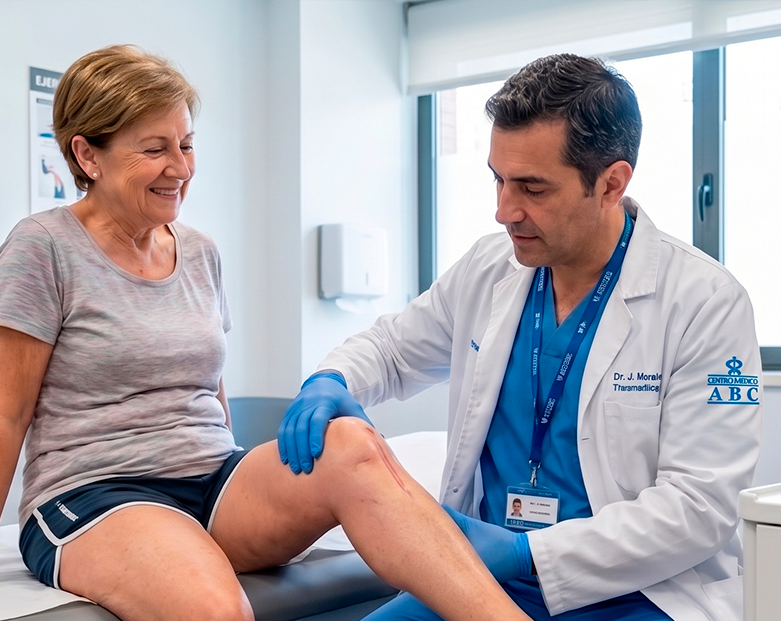
When Is Surgery Considered?
Joint replacement surgery is recommended when:
- Pain is severe and persistent
- Significant structural damage is present
- Conservative treatments have not been effective
- Quality of life is significantly affected

Robotic-Assisted Knee Replacement Surgery
ABC Medical Center is proud to offer robotic-assisted knee replacement surgery for patients with joint degeneration who require a prosthesis. By placing cutting-edge robotic technology in the hands of our surgeons, we are able to achieve a level of precision that translates directly into better outcomes for our patients.
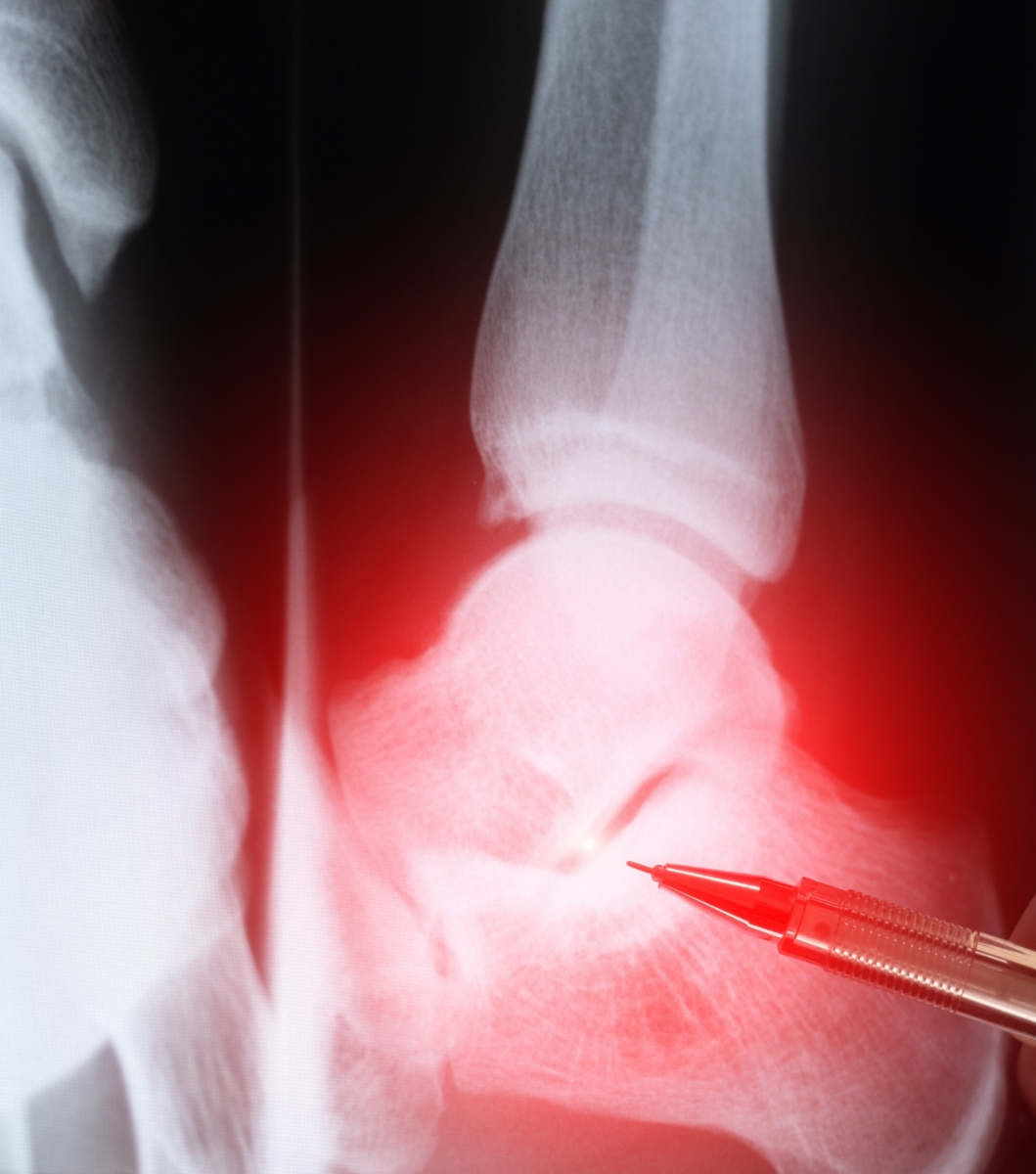
Advantages of Robotic-Assisted Knee Replacement Surgery
- Less postoperative pain
- Shorter hospital stay
- Faster recovery
- Greater precision in implant placement
- A more natural feel in the knee
Find out if you are a candidate for robotic-assisted knee replacement surgery.
How Does the Robotic Knee Surgery System Work?
Contrary to what the name might suggest, the robotic knee system makes no independent decisions and follows no preprogrammed sequence. It is a computer-assisted surgical platform, one that remains fully under the control of a qualified orthopedic surgeon at all times. Its purpose is to enhance the surgeon’s ability to perform accurate bone cuts and assess the surrounding soft tissues, ensuring optimal implant positioning throughout the procedure.
The device consists of two units: a robotic unit comprising a compact robotic arm and a touchscreen, and an optical unit with a separate touchscreen.
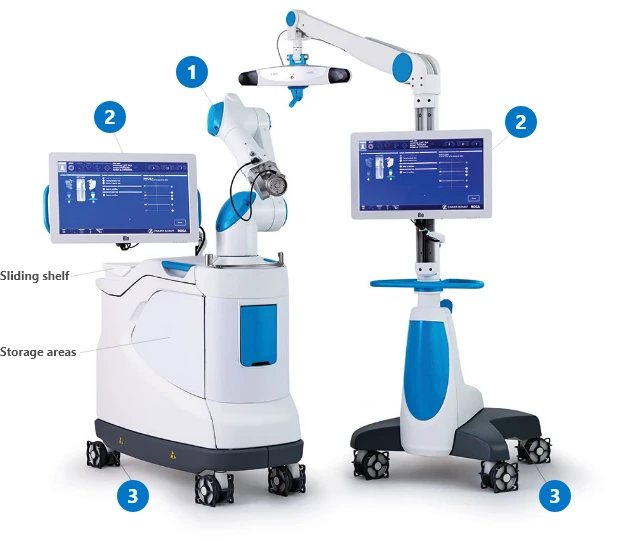
1
Robotic Arm
The robotic arm is equipped with a force sensor that allows the surgeon to manually move the unit to the desired location.
2
Touchscreen
The device includes two touchscreens that display the user interface, one on the robotic unit and another on the optical unit.
3
Immobilization System
The robotic unit is equipped with a system that secures it to the floor.
This surgery cannot be performed by all orthopedic and knee surgeons, but only by those who hold a certificate validating their theoretical and practical training, ensuring they can fully utilize the robot’s tools.
Recovery and Rehabilitation
Recovery after joint replacement is a critical component of treatment success.
In general:
- First days: pain management and initiation of mobility
- 4 to 8 weeks: progressive improvement of function
- 3 to 6 months: return to daily activities
- 6 to 12 months: full recovery
Rehabilitation is essential and may include advanced technology such as weight-offloading equipment to facilitate movement during recovery.
What Are Joint Prostheses?
Joint prostheses are devices designed to replace a damaged joint. Their goal is to relieve pain, restore mobility, and improve the patient’s quality of life.
Different types of prostheses are available, and the choice depends on factors such as age, activity level, degree of wear, and each patient’s anatomical characteristics.
Tipos de prótesis articulares
Types of Joint Prostheses by Joint
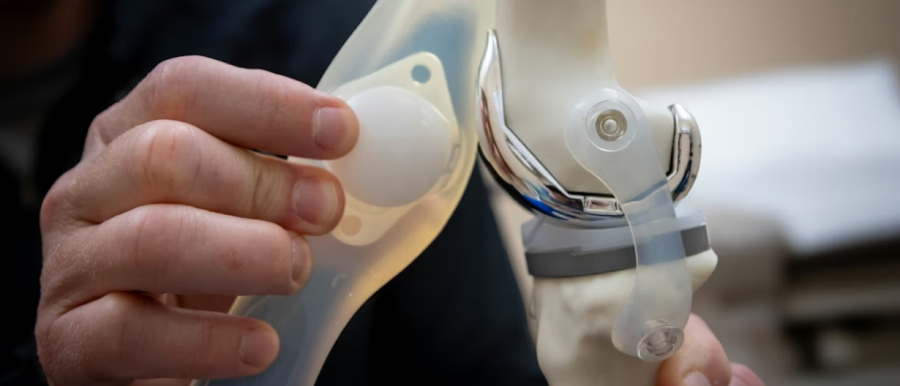
- Hip Prosthesis: Replaces the hip joint (femoral head and acetabular socket). Restores mobility and reduces pain when walking, sitting, or standing up.
- Knee Prosthesis: Replaces the damaged surfaces of the knee (femur, tibia, and in some cases the patella). Helps restore stability, alignment, and function.
Types of Joint Prostheses by Replacement Scope
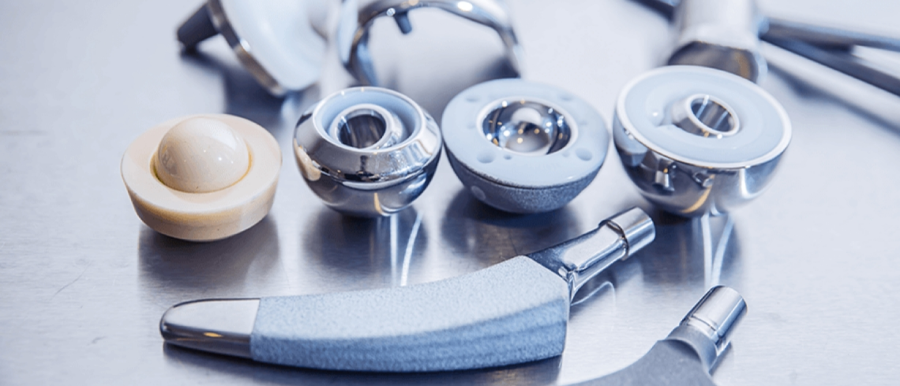
- Total replacement: The entire damaged joint is replaced. This is the most common procedure when degeneration is advanced.
- Partial replacement: Only a portion of the joint is replaced. Indicated in selected cases where damage is limited.
Types of Joint Prostheses by Fixation Method
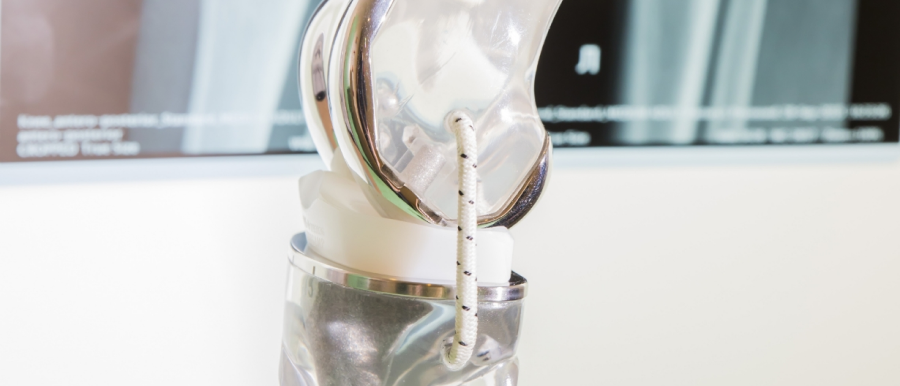
- Cemented prostheses: Fixed to the bone using a special bone cement that allows immediate adhesion. Common in patients with lower bone density.
- Cementless prostheses: Fixed directly to the bone, allowing it to grow around the implant over time. More commonly used in younger patients or those with good bone quality.
- Hybrid prostheses: Combine both methods, one component is cemented and the other is not.
Types of Joint Prostheses by Material
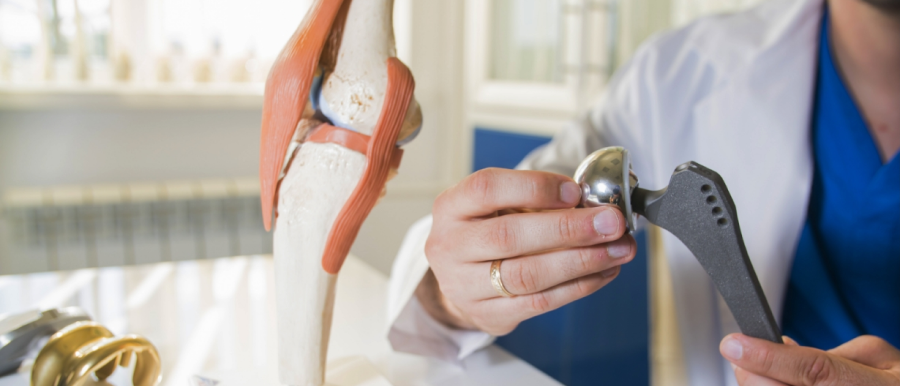
- Metal and plastic (polyethylene): The most widely used combination. Offers good durability and functionality.
- Ceramic: Reduces friction and wear, which can be particularly beneficial for younger or more active patients.
- Metal-on-metal: Less commonly used today but may be indicated in very specific cases.
Find the right prosthesis for you. Schedule an evaluation with our specialists and receive a personalized diagnosis.
ABC Patient Stories

*This testimony reflects an individual experience and does not replace a medical evaluation.
Regaining mobility with hip replacement: a testimonial
“The doctor explained to me how the surgery would be; it seemed very accurate, very modern and with high technology.”

*This testimony reflects an individual experience and does not replace a medical evaluation.
Testimonial: Recovery after a knee replacement
“They reconstructed my entire knee, the operation was a success, I don't feel any pain, ABC is by far the best hospital in Mexico.”

*This testimony reflects an individual experience and does not replace a medical evaluation.
Testimonial: Hip replacement
“Now I do things I couldn’t do before… now I’m in a new life.”
Frequently Asked Questions: Joint Replacements
Don’t let pain limit your life. Schedule your consultation with a joint replacement specialist in Mexico City today.
