
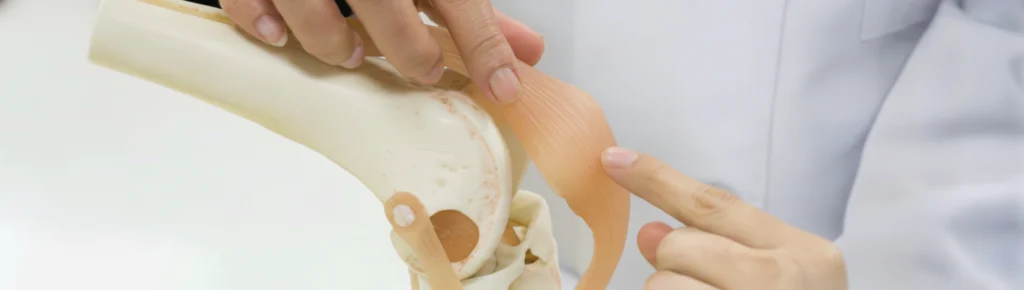
Shoulder and elbow

Specialized diagnosis and treatment for joint, sports, and degenerative injuries.
Shoulder and Elbow Injuries: Symptoms, Causes, and Treatments
The shoulder and elbow are the mechanical foundation of arm movement. Whether the action is lifting, pushing, or throwing, these joints rely on a tightly coordinated system of bones, muscles, tendons, and ligaments to deliver both the mobility and the stability the arm needs to function effectively.
Injuries can arise from trauma, repetitive movements, sports activity, or progressive joint degeneration.
Schedule your evaluation with one of the best orthopedic surgeons in Mexico City and receive a personalized diagnosis to help you regain your mobility.
Common Conditions
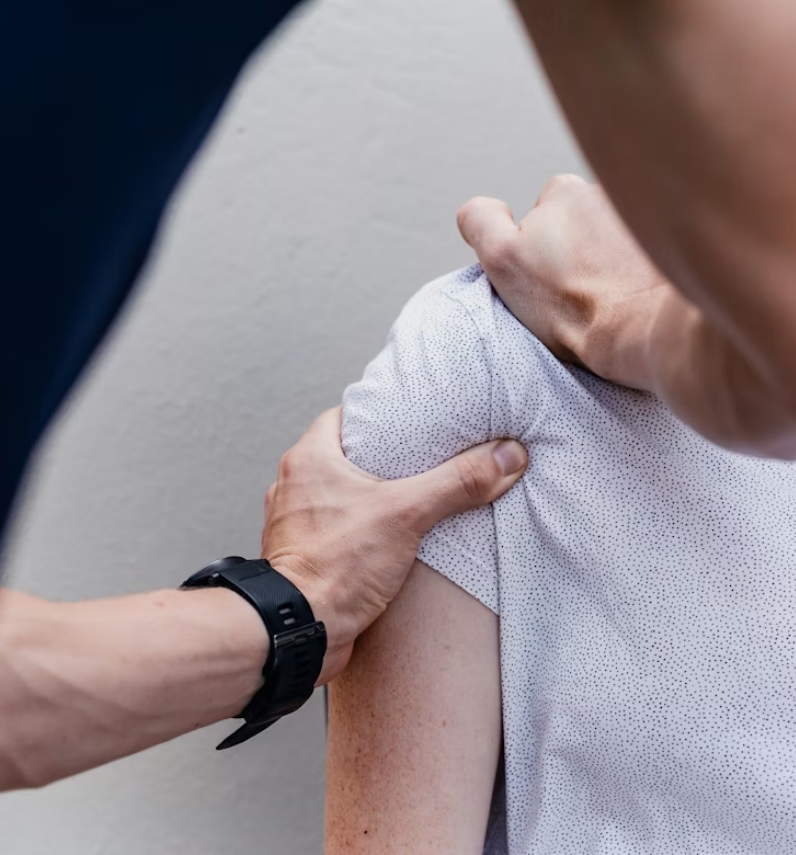
- Rotator cuff tear: The rotator cuff is a group of tendons that stabilize the shoulder and allow the arm to be raised. When one of these tendons becomes inflamed or tears, it can cause pain, weakness, and difficulty performing overhead movements.
- Shoulder instability or dislocation: A condition in which the head of the humerus shifts out of its normal position within the shoulder joint. It may develop following a traumatic injury or as a result of ligament laxity that allows the joint to move beyond its normal range.
- Epicondylitis (tennis elbow or golfer’s elbow): Epicondylitis is inflammation of the tendons of the elbow caused by repetitive forearm movements.
- Shoulder or elbow osteoarthritis: Osteoarthritis is progressive wear of the articular cartilage that can cause pain, stiffness, and limited range of motion.
Identify Your Condition Based on Your Symptoms
| Symptom | How It Feels | May Be Related To… |
|---|---|---|
| Pain when raising the arm | Discomfort when reaching for objects or lifting the arm overhead | Shoulder tendinitis / Rotator cuff tear |
| Pain when carrying objects or exerting force | Pain in the elbow or forearm when holding weight or applying effort | Epicondylitis |
| Sensation of shoulder instability | Feeling that the shoulder “gives way” or is not secure | Shoulder instability or dislocation |
| Persistent pain with weakness | Constant discomfort that may worsen at night and limits movement | Rotator cuff tear |
| Stiffness or difficulty moving | Progressive limitation of movement or sensation of a rigid joint | Shoulder or elbow osteoarthritis |
| Pain with repetitive movements | Discomfort after exercise or repetitive activities | Shoulder tendinitis / Epicondylitis |
*This table is a general guide and does not replace evaluation by a specialist..
Do any of these symptoms sound familiar? Schedule an evaluation with a shoulder and elbow specialist in Mexico City and receive an accurate diagnosis.
Treatment Options for Shoulder and Elbow Pain
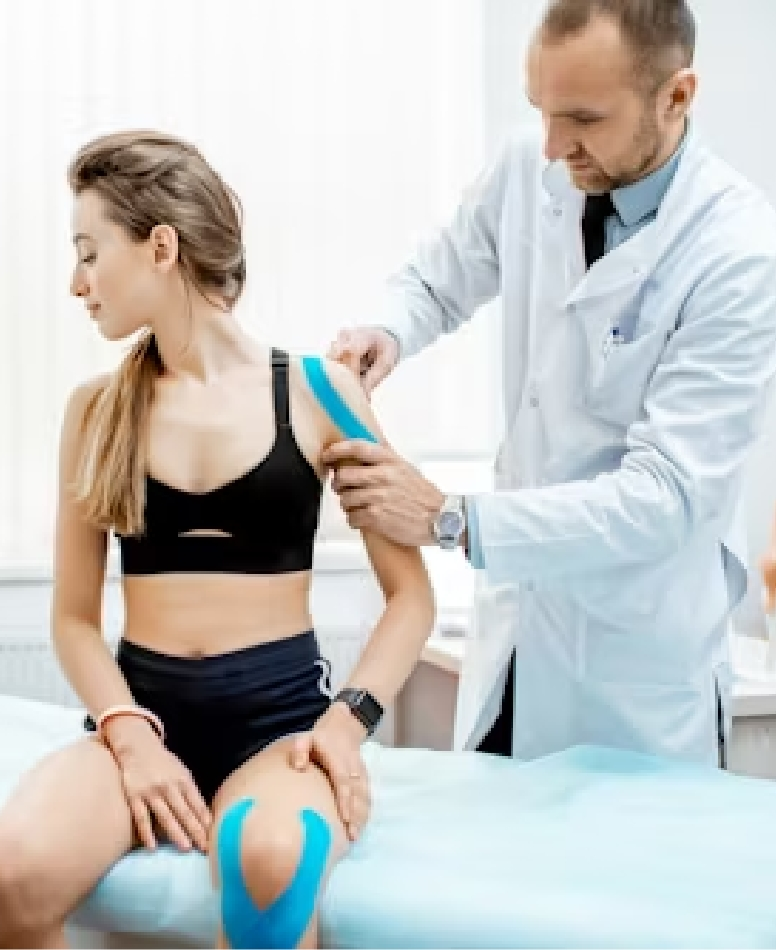
Treatment depends on the cause and severity of the injury. In many cases, management begins with conservative measures such as:
- Rest and activity modification
- Anti-inflammatory medications
- Physical therapy and muscle strengthening
- Corticosteroid injections to reduce inflammation
When shoulder or elbow pain persists or significant structural damage is present, the specialist may recommend procedures such as arthroscopy.
Find out which treatment is right for your case. Schedule a consultation with our orthopedic specialists.

What Is Shoulder Arthroscopy?
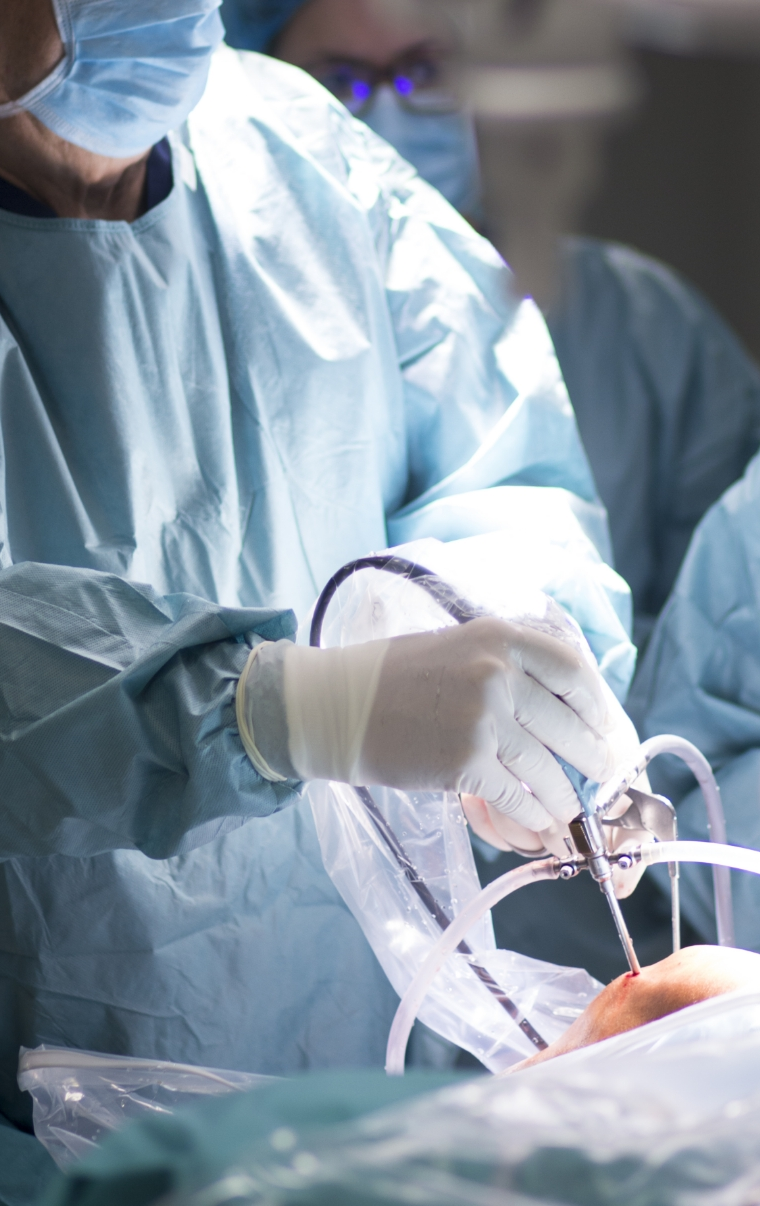
In shoulder arthroscopy, the surgeon accesses the joint through a small incision roughly the size of a buttonhole. A fiber-optic camera is inserted through this opening and relays high-definition images to a monitor, allowing the surgeon to visualize the joint directly and address problems with precision, all without the need for open surgery.
Key advantages include reduced surgical and hospital time, minimal incisions, less post-operative inflammation, and less pain compared to traditional open surgery.
Looking for shoulder arthroscopy in Mexico City? Schedule an evaluation with our minimally invasive surgery specialists.
Conditions Treatable Through Shoulder Arthroscopy
Shoulder arthroscopy is a minimally invasive procedure that allows surgeons to diagnose and treat a variety of joint injuries. The most common conditions include:
- Rotator cuff tear: Complete rupture of the shoulder tendons, which makes it difficult to move the arm.
- Partial supraspinatus tear: A tear or rupture of the tendon belonging to the supraspinatus muscle.
- Biceps tendon dislocation: The biceps tendon slips out of place, causing pain.
- Shoulder instability: The sensation that the shoulder “gives way” or is not secure.
- SLAP lesion (bicipital instability): A tear of the labrum in the upper portion of the shoulder that affects stability and strength.
- Acromioclavicular dislocation: Dislocation of the acromion (the scapular bone above the shoulder joint) and the clavicle.
- Biceps tendinitis: Tendon degeneration causing persistent pain.
- Adhesive capsulitis (frozen shoulder): Severe stiffness that significantly limits range of motion.
- Nerve compression: Pressure on a nerve causing pain or weakness.
- Subacromial impingement: Internal shoulder friction that causes pain with movement.
- Acromioclavicular osteoarthritis: Cartilage degeneration in the joint connecting the clavicle and acromion.
- Septic arthritis: Infection within the shoulder joint.
- Bicipital pulley lesion: Damage to the structure that keeps the tendon in place.
- Humeral head fracture: Fracture at the upper end of the arm bone near the shoulder.
Frequently asked questions
Don’t let pain limit your life. Schedule your consultation with a shoulder and elbow specialist in Mexico City today.
