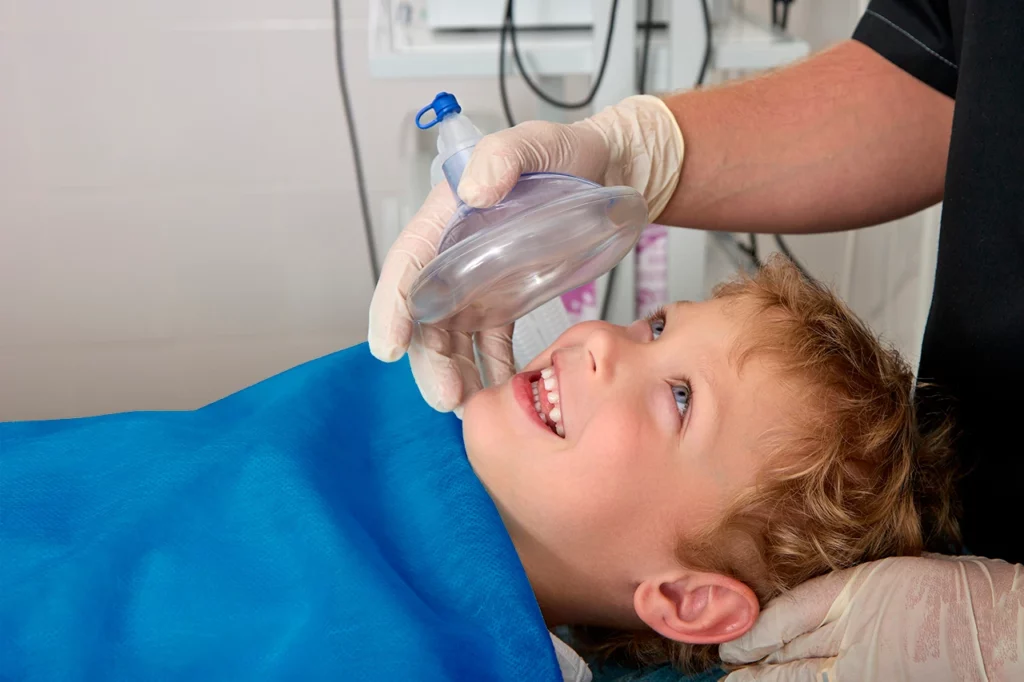
Pediatric anesthesia is an essential component in surgical procedures and some diagnostic tests performed on children; however, because of specific characteristics, the use of anesthesia in a pediatric patient requires a specialized approach.
What is an anesthesiologist
An anesthesiologist is a physician specialized in pain management and the administration of anesthesia for diagnostics, procedures, and even pediatric surgery.
Among the main functions of the anesthesiologist is the pre-anesthetic evaluation to determine the patient’s physical condition and design a personalized anesthetic plan.
With this information, the anesthesiologist administers the medication and monitors anesthetic depth, analgesia, and vital signs during the procedure. Later, they ensure the management of postoperative pain.
Pediatric anesthesiologist
In this context, a pediatric anesthesiologist is a specialist who additionally has the knowledge required to manage neonatal, infant, and adolescent patients. Their role is especially complex because of unique characteristics depending on the stage of growth. For example, children have smaller and more sensitive airways, which greatly increases the risk of obstruction or complications during intubation; their metabolism and the process of drug elimination are also different.
A particular characteristic of neonates and infants is their higher risk of hypothermia, apnea, and bradycardia during anesthesia.
The types of anesthesia used in pediatrics are:
- Pediatric general anesthesia: used when it is necessary for the child to be completely unconscious during the procedure.
- Regional anesthesia: used to block sensitivity in a specific region of the body.
- Conscious sedation: used in various minor procedures or for diagnosis; this technique helps reduce anxiety and pain while allowing the child to remain awake.
Pre-anesthetic evaluation in pediatrics
The pediatric pre-anesthetic evaluation is a thorough process aimed at assessing the child’s health status before anesthesia administration, making it a crucial step to identify potential risks and plan a personalized anesthetic strategy.
Key elements in pediatric anesthesia evaluation include reviewing a detailed medical history that indicates past medical conditions, family history, and medication use.
A physical examination is also required to assess the patient’s airways, cardiovascular system, and neurological status, as well as their weight and height, to calculate the exact dose.
If necessary, complementary tests such as lab work or imaging studies may also be requested.
To accomplish this, effective communication with the family is crucial, as it enables the pediatric anesthesiologist to gather specific and relevant information, while also helping to clarify any questions or concerns the child and their parents may have.
Pediatric anesthesia is an essential specialty for performing crucial medical procedures in pediatric patients from the neonatal stage through adolescence.
Pediatric anesthesiologists near me
At the ABC Medical Center’s Pediatrics Center, we have a team of specialists in pediatric anesthesia, highly trained and dedicated to providing comprehensive and personalized care for all your anesthetic needs.
Our pediatric anesthesiologists in Mexico City are dedicated to your well-being, using cutting-edge technology and the most advanced treatments to provide care in areas such as surgical support for children, pain management, sedation, and more.
Fuentes:
Scielo, Healthy Children, Kids Health