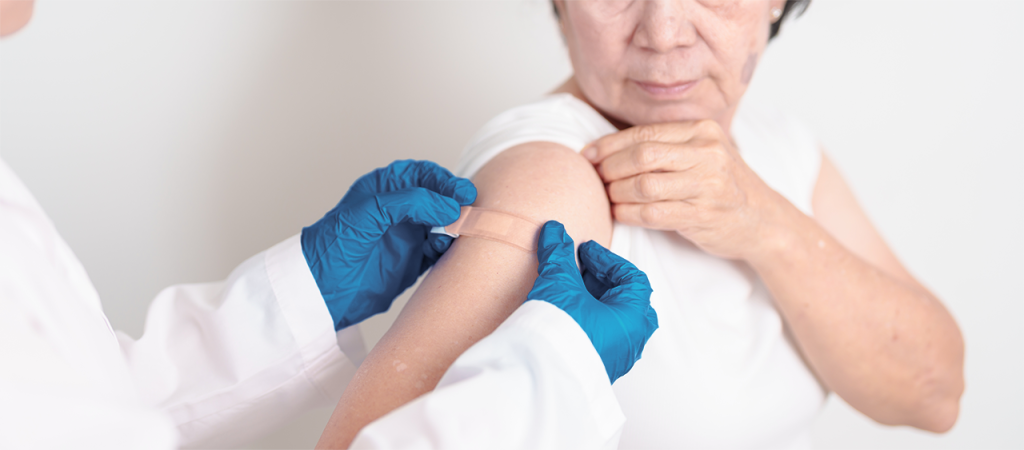
The pneumococcal vaccine is an essential tool in the fight against pneumococcal disease, one of the leading causes of pneumonia, meningitis, and septicemia worldwide.
The bacterium responsible, Streptococcus pneumoniae, primarily affects young children, older adults, and individuals with chronic illnesses or weakened immune systems. Widespread vaccination has significantly reduced the mortality and complications associated with this pathogen, particularly among vulnerable populations.
What Is the Pneumococcal Vaccine For?
The goal of pneumococcal vaccination is to prevent diseases caused by Streptococcus pneumoniae, a bacterium that can cause mild infections to severe, life-threatening illness.
Beyond pneumonia, bacterial meningitis, and septicemia, pneumococcus is also responsible for endocarditis (an infection of the heart valves) and serious complications in people living with chronic conditions such as diabetes, COPD, heart disease, or immunosuppression.
Vaccination not only protects the individual receiving it, but it also contributes to herd immunity by reducing the circulation of the bacteria and lowering the risk of transmission to those who cannot be vaccinated for medical reasons.
The main benefits of the pneumococcal vaccine include:
- Reducing the likelihood of developing serious infections
- Decreasing hospitalizations and mortality
- Preventing long-term complications such as pulmonary or neurological damage
- Helping curb antimicrobial resistance by reducing the need for antibiotic use
Conjugate Pneumococcal Vaccine
The conjugate pneumococcal vaccine is one of the two most widely used formulations. It gets its name from the process of conjugation, in which fragments of the bacterial capsule’s polysaccharides are chemically bonded to a carrier protein. This bond significantly enhances the immune response, particularly in young children and individuals with weakened immune systems.
Key characteristics of the conjugate vaccine include:
- Protection against multiple pneumococcal serotypes (the number varies by formulation; some vaccines, such as Prevenar 20, cover up to 20 serotypes)
- Generation of immunological memory, enabling long-lasting protection and a stronger response to booster doses
- Efficacy in children under two years of age, an age group that responds poorly to pure polysaccharide vaccines
The conjugate vaccine produces long-term immunity, reduces nasopharyngeal carriage of the bacterium, and can be administered to high-risk individuals of any age.
Polysaccharide Pneumococcal Vaccine
The polysaccharide pneumococcal vaccine is the second major formulation available. Rather than using a carrier protein, it contains only purified fragments of the Streptococcus pneumoniae bacterial capsule, working by directly stimulating the immune system against multiple serotypes of the bacteria. Some formulations offer protection against as many as 23 serotypes, such as Pneumovax 23.
Key characteristics of the polysaccharide vaccine include:
- Broader serotype coverage than some conjugate vaccines, offering wider protection against pneumococcal disease
- Generally indicated for individuals over two years of age, though it is most commonly used in adults and high-risk groups
- A less durable immune response compared to the conjugate vaccine, with weaker immunological memory
- Ineffectiveness in children under two, whose immune systems do not respond well to pure polysaccharide antigens
- Waning immunity over time, typically requiring booster doses every five to ten years in high-risk populations
- No significant reduction in bacterial carriage
This vaccine is often recommended for adults following conjugate vaccination, with an interval of several weeks between doses, to ensure an optimal and broader immune response.
Pneumococcal Vaccine for Adults
While the pneumococcal vaccine is well known as part of childhood immunization schedules, adults may also need protection, especially those in higher-risk groups.
The recommended timing and type of vaccine will depend on the individual’s age, overall health, and vaccination history.
Adults over 60 are generally advised to receive routine pneumococcal vaccination, even if they are in good health, since aging naturally reduces immune system efficiency and increases vulnerability to serious infections.
Adults under 60 with chronic conditions, including COPD, severe asthma, chronic heart disease, diabetes mellitus, liver disease, cirrhosis, or kidney disease, may be advised to vaccinate earlier.
Immunocompromised adults, including those living with HIV, cancer, undergoing chemotherapy or radiation therapy, organ or bone marrow transplant recipients, patients on long-term corticosteroids or immunosuppressants, or those with functional or anatomic asplenia, are also typically recommended to vaccinate before age 60.
Pneumococcal vaccination is a key tool in preventing serious illness, hospitalization, and life-threatening complications. The decision about when and how to vaccinate should always be made in consultation with a healthcare professional, who will evaluate the individual’s health status, age, and medical history to design a personalized immunization plan.
ABC Medical Center’s Preventive Medicine Department offers adult vaccination services and specialized care. Contact us today!
Fuentes:
MedlinePlus, CENSIA, CDC