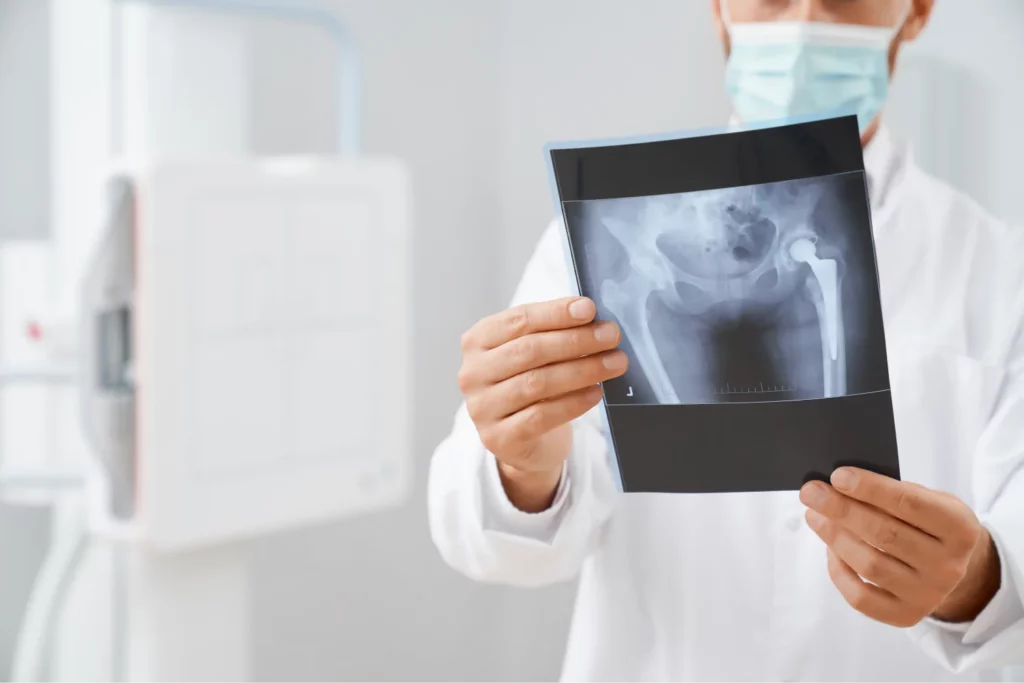
Traumatology and orthopedics is a medical specialty dedicated to the prevention, diagnosis, and treatment of conditions and injuries involving the musculoskeletal system, the bones, muscles, tendons, joints, and ligaments that give the body its structure and mobility. While the two disciplines frequently complement each other, each brings its own distinct focus to patient care.
What Is a Traumatologist?
A traumatologist specializes in the management of acute injuries caused by accidents, falls, and impacts, conditions that are typically treated as orthopedic emergencies. This specialty also encompasses the study, diagnosis, and treatment of injuries and conditions affecting the entire body. Traumatologists are commonly found in emergency departments and trauma units within healthcare institutions, and the specialty is closely associated with conditions of the spine and extremities.
What Is Orthopedics?
Orthopedics focuses on chronic or congenital conditions including malformations, tumor-related lesions, degenerative disorders, infections, and other musculoskeletal abnormalities.
The scope of care available within a traumatology and orthopedics center extends well beyond general treatment. Most centers house a broad array of subspecialties, including orthopedic surgery, arthroscopic surgery, pediatric orthopedics, joint replacement, sports medicine, and musculoskeletal oncology, alongside dedicated specialists for the foot, knee, ankle, hand, and wrist.
The full range of conditions treated within traumatology and orthopedics includes:
- Rheumatoid arthritis
- Scoliosis and spinal deformities
- Low back pain (lumbago)
- Osteoporosis and osteoarthritis
- Tendinitis
- Fractures
- Hematomas and contusions
- Sprains
- Dislocations
- Carpal tunnel syndrome and related conditions
- Hand and wrist cysts
- Tendon and ligament tears
- Trigger finger
- Sports injuries
- Plantar fasciitis
- Bone spurs and bunions
- Among others
Common Diagnostic Studies in Orthopedics and Traumatology
While X-rays remain the most widely used diagnostic tool in this specialty, a number of other studies are also commonly employed:
- CT scan (computed tomography): Used to evaluate complex fractures, bone lesions, and other structural abnormalities.
- Ultrasound: Particularly useful for assessing injuries to ligaments, tendons, and muscles.
- MRI (magnetic resonance imaging): Evaluates injuries to ligaments, menisci, cartilage, muscles, intervertebral discs, and the spinal cord.
- Bone scintigraphy: Detects bone abnormalities such as stress fractures, infections, tumors, and metabolic bone diseases.
- Laboratory studies: Help identify infections, autoimmune diseases, nutritional deficiencies, and provide a broader picture of the patient’s overall health.
- Electromyography (EMG): Aids in diagnosing neuromuscular disorders such as neuropathies, radiculopathies, and muscle diseases, and assesses peripheral nerve function.
- Arthrography: Evaluates intra-articular lesions including ligament and meniscal tears, cartilage damage, and the presence of loose bodies within a joint.
Warning Signs That Warrant an Orthopedic or Traumatology Consultation
Several signs may indicate the need for a consultation, but one of the most universal is acute or chronic pain in the joints, bones, or muscles, whether short- or long-lasting. Other reasons to seek care include hip or knee pain, pain when carrying or lifting heavy objects, visible deformity, a suspected bone infection, persistent numbness in any area of the body, limb asymmetry, noticeable spinal curvature, or a history of recent trauma or accident.
Both traumatologists and orthopedic surgeons employ a wide variety of techniques and treatments to help patients recover mobility and reduce pain. Depending on the condition, this may involve conservative management, surgical intervention, interventional procedures, or complementary and alternative therapies. Patient education is also a key component of care, helping individuals better understand their condition and participate actively in personalized recovery plans.
Minimally invasive techniques have become the preferred approach in modern orthopedic and traumatological surgery, and for good reason. Smaller incisions, less tissue disruption, and faster recovery times all translate into a better experience for the patient. Orthopedic devices and supportive equipment further extend this benefit, playing a meaningful role in both treatment and long-term quality of life.
ABC Medical Center has spent more than 25 years training orthopedic surgeons accredited by the Universidad Nacional Autónoma de México (UNAM) and the Mexican Board of Orthopedics.
Find an Orthopedic Specialist Near You
At ABC Medical Center, we have a highly trained team of orthopedic and traumatology specialists equipped to provide comprehensive evaluation, diagnosis, treatment, and follow-up care for a wide range of musculoskeletal conditions.
Our orthopedic surgeons and traumatologists in Mexico City are dedicated to the comprehensive care of the locomotor system, drawing on the latest advances in medicine, biology, and technology while maintaining an unwavering commitment to the highest international standards of patient care.
Fuentes: Medledd, Nyspine, MedlinePlus, Traumadrid