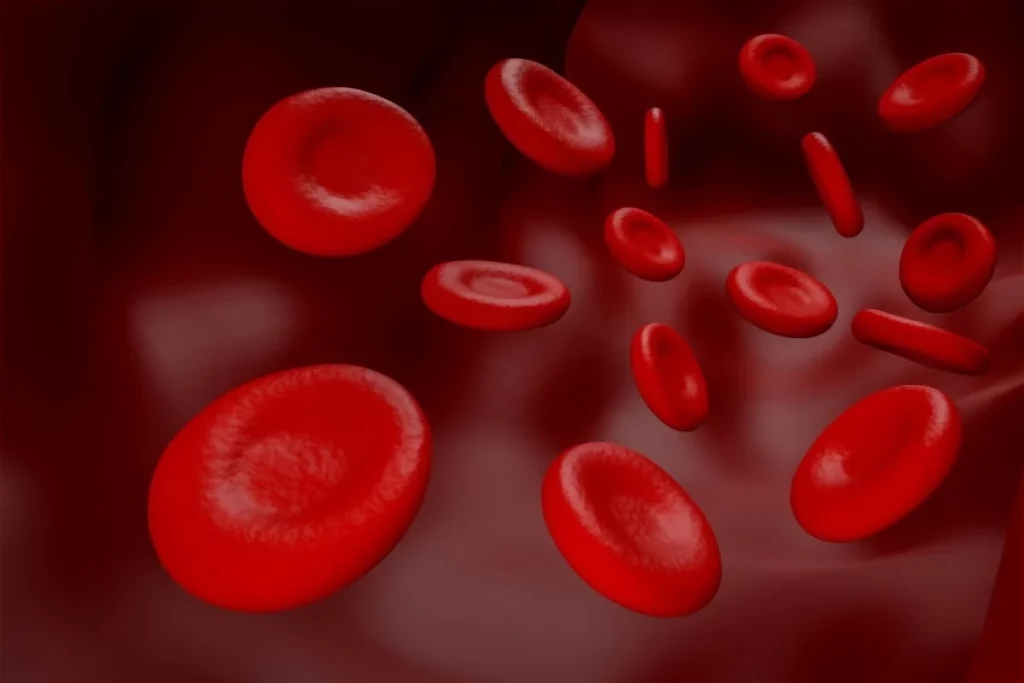
The health of our body relies on a complex and vital system: blood. However, few people truly understand the scope of the medical specialty responsible for protecting it. If you are wondering what hematology is, you should know that it goes beyond analyzing laboratory samples—it serves as a cornerstone of modern medical diagnosis.
What Does Hematology Study? Definition and Scope
To understand the definition of hematology, we must view it as the branch of internal medicine dedicated to the study, diagnosis, treatment, and prevention of diseases of the blood and blood-forming (hematopoietic) organs.
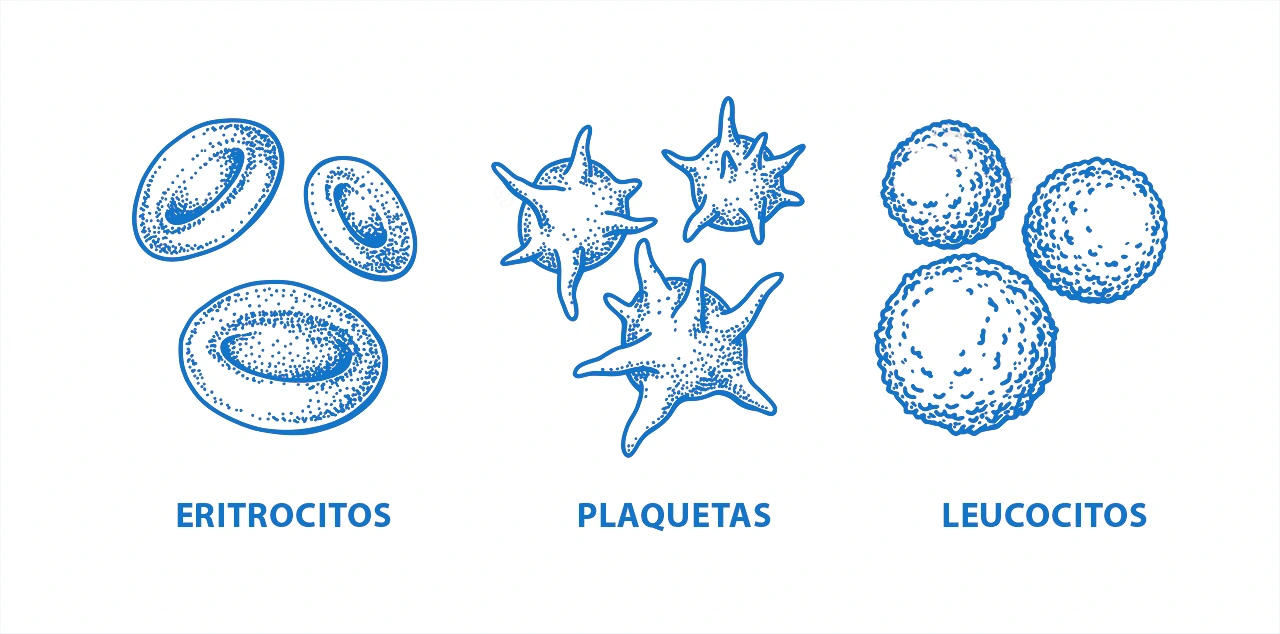
Unlike other tissues, blood is a dynamic fluid. What hematology studies is primarily divided into the analysis of cellular and plasma components:
- Erythrocytes (Red blood cells): Transport oxygen using hemoglobin.
- Leukocytes (White blood cells): The foundation of our immune system against infections.
- Platelets (Thrombocytes): Key elements for clot formation and blood vessel repair.
- Plasma: The liquid component that transports nutrients, hormones, and clotting proteins.
In addition to blood cells, this specialty addresses the hematopoietic system, which includes the spleen, liver, lymph nodes, and—fundamentally—bone marrow. The latter, located inside bones such as the sternum and iliac crests, serves as the "factory" where hematopoietic stem cells are produced.
What Does a Hematologist Do? The Specialist in Your Blood Health
If you have been referred to an appointment and are wondering what a hematologist does, the answer is broad. This specialist is a medical expert in identifying abnormalities that may go unnoticed during general checkups.
A clinical hematologist does not merely interpret lab results; they are responsible for:
- Diagnosing complex diseases: Ranging from nutritional anemias to hematologic neoplasms (cancer).
- Designing treatment plans: Administering chemotherapy, immunotherapy, or specific supplementation.
- Managing supportive care: Supervising blood transfusions and bone marrow transplants.
- Coagulation control: Managing patients at risk for thrombosis or chronic bleeding.
Common Hematologic Diseases
Clinical hematology categorizes disorders according to the affected component. Among the most frequently diagnosed are:
Disorders of Blood Components
- Anemias: A reduction in red blood cells or hemoglobin, which can stem from iron deficiency (iron-deficiency anemia) or genetic causes.
- Thrombocytopenia: Low platelet counts that increase the risk of bleeding.
- Leukopenia or Leukocytosis: Alterations in white blood cells that impact the immune response.
Hematologic Cancers (Onco-Hematology)
- Leukemias: Cancer originating in blood-forming cells within the bone marrow.
- Lymphomas: Cancers affecting the lymphatic system and lymph nodes.
- Multiple Myeloma: Cancer of the plasma cells.
Disorders of the Bone Marrow and Coagulation
- Myelodysplastic Syndromes: Failures in the production of mature blood cells.
- Hemophilia and Von Willebrand Disease: Disorders in which blood does not clot properly.
Essential Tests and Studies in Hematology
To reach an accurate diagnosis, the specialist utilizes a battery of studies that analyze cellular morphology and function.
Basic Blood Tests
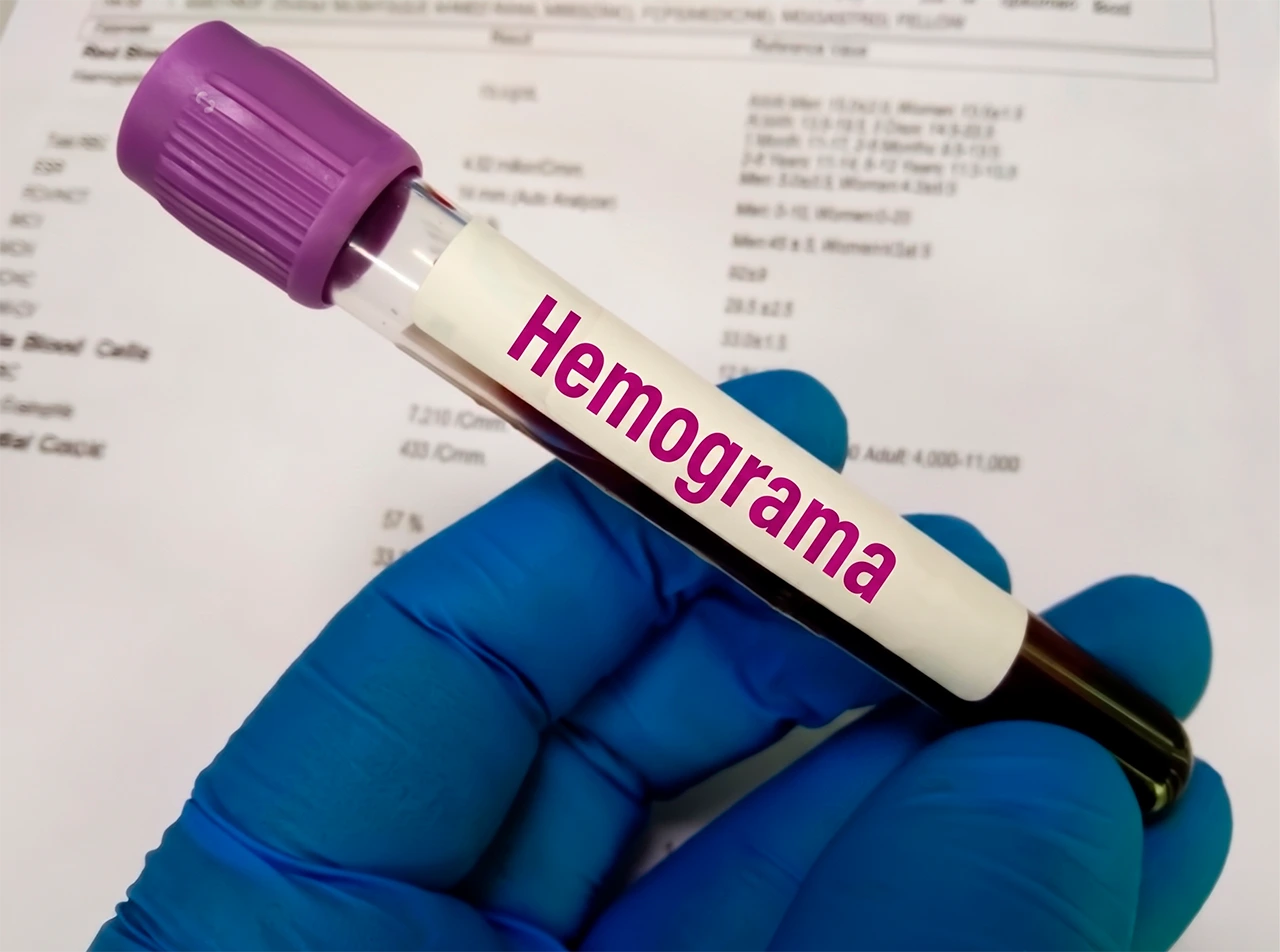
- Complete Blood Count (CBC / Hemogram): The primary diagnostic tool. It measures the quantity and quality of all three cell lines (red blood cells, white blood cells, and platelets).
- Reticulocyte Count: Evaluates the bone marrow’s ability to produce new red blood cells.
- Peripheral Blood Smear: A morphological hematology study in which the physician examines blood cells under a microscope to detect abnormal shapes or structures.
Coagulation and Iron Tests
- Coagulation Times (PT, PTT): Measure how quickly the blood clots.
- Serum Iron and Ferritin: Crucial for identifying whether anemia is due to depleted iron stores.
Specialized and High-Complexity Studies
- Bone Marrow Aspiration and Biopsy: Extraction of a bone tissue sample to directly analyze the blood’s "factory."
- Flow Cytometry: An advanced technique that uses lasers to identify specific types of cancer cells.
- Hemoglobin Electrophoresis: Used to diagnose genetic disorders such as sickle cell anemia.
Pediatric Hematology: Care in Childhood
It is essential to understand that blood values in a child are not the same as those in an adult. Pediatric hematology specializes in diagnosing and treating blood disorders in infants, children, and adolescents.
The pediatric hematologist manages everything from common conditions like iron-deficiency anemia during growth periods to greater challenges such as acute lymphoblastic leukemia—the most common cancer in pediatric patients—always using an approach adapted to the physical and emotional development of the child.
When Should You See a Hematologist?
Symptoms of a blood disorder are often subtle. You should consider a specialized consultation if you experience:
- Extreme fatigue or weakness that does not improve with rest (a potential sign of anemia).
- Unexplained bruising (ecchymosis) or tiny red spots on the skin (petechiae).
- Frequent bleeding from the gums or nose.
- Swollen lymph nodes in the neck, armpits, or groin.
- Persistent fever or recurrent infections, which may suggest immune system weakness.
Hematologist Near Me: Top-Tier Care in Mexico City (CDMX)
If you are looking for an accurate diagnosis and compassionate care, the hematology specialists at Centro Médico ABC offer cutting-edge technology and international certifications. Our hematologists in Mexico City are highly trained to manage complex conditions, stem cell transplants, and precision medicine.
At the Medical Specialties Department of Centro Médico ABC, we provide specialized care. Contact us today!
Frequently Asked Questions
Fuentes:
MedlinePlus, Texas Heart, MyHealth