Sarcopenia is a process linked to aging, characterized by the progressive loss of muscle mass and strength. While there’s currently no precise data on this condition, Mexico’s Ministry of Health notes that this muscle loss typically begins around age 30 and continues to increase with each decade of life.
Dr. Juan Pablo Arriaga García Rendón, geriatrician at ABC Medical Center, explains that people over 50 begin losing muscle mass at a rate of about 1% to 2% per year, as a result of progressive muscle deterioration, the loss of muscle fibers responsible for quick body movements, and changes in the motor neurons that control muscle activity.
There are two categories of sarcopenia. Primary sarcopenia, the more common type, is directly related to aging, while secondary sarcopenia results from factors unrelated to aging, such as other illnesses, organ dysfunction, low physical activity, or poor nutrition.
There are also other risk factors that can contribute to the development of sarcopenia. Hormonal or genetic changes can affect muscle growth, as can metabolic disorders such as endocrine imbalances, chronic inflammatory diseases, or dysfunction of a major organ, among other factors.
The degree and severity of muscle loss is closely tied to a person’s long-term lifestyle, especially their level of physical activity, notes Dr. Arriaga. This can make a dramatic difference, ranging anywhere from 0% to 76% between an adult over 50 who’s stayed physically active throughout their life and one who hasn’t.
Although there’s no single definitive way to diagnose sarcopenia, there are certain signs that can lead a doctor to suspect it:
- Difficulty lifting five kilograms (about 11 lbs) or less.
- Needing help to walk.
- Difficulty moving or transferring between a chair and a bed.
- Difficulty climbing 10 steps or fewer.
- One or more unexplained falls within the past year.
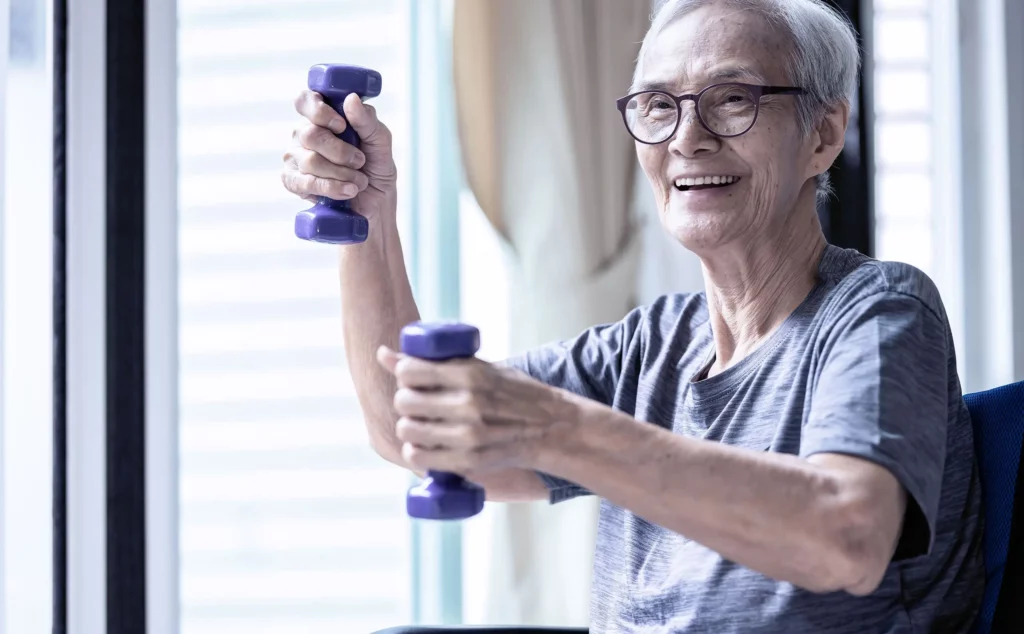
Dr. Arriaga notes that the best approach is to prevent sarcopenia from developing in the first place by maintaining a healthy, active lifestyle, including resistance training with bands or weights and proper nutrition.
For anyone over 50, it’s recommended to see a geriatrician for periodic checkups so that if early signs of sarcopenia appear, it can be addressed right away, before it leads to lasting effects.
At ABC Medical Center’s Internal Medicine Department, we can provide you with specialized care. Contact us!