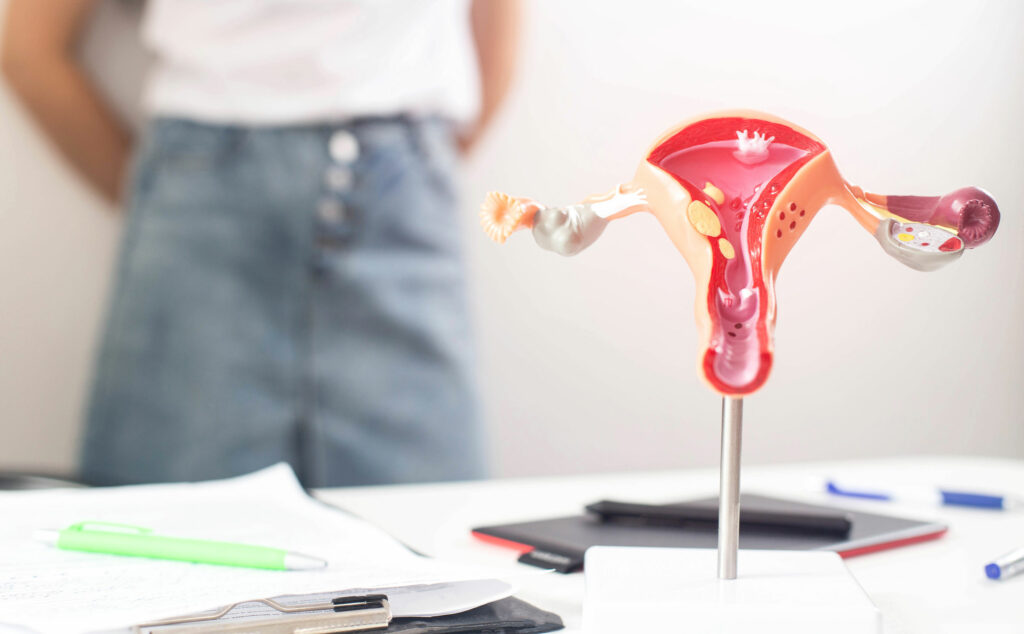
The female reproductive system is a biological structure of astonishing complexity, designed not only for procreation, but also for regulating hormonal cycles that impact a woman’s overall health. This system encompasses a network of internal and external organs that work in coordination to carry out vital functions such as gamete production, gestation, and estrogen regulation. Understanding its anatomy and how it functions is the first step toward empowering women with self-knowledge of their bodies and enabling the early detection of potential abnormalities.
Addressing female reproductive health is fundamental because many of its pathologies can be asymptomatic in early stages or mistakenly normalized—such as severe menstrual pain or hormonal irregularities. Prevention and comprehensive sexual education make it possible to reduce the incidence of serious conditions, such as cervical cancer or complications resulting from sexually transmitted infections. In a society where preventive healthcare is key, knowing how our reproductive system works is an essential tool to guarantee a full quality of life free from avoidable complications.
Today, the medical approach to the female reproductive system has evolved toward a much more comprehensive and technology-driven vision. The future of gynecological health is leaning toward personalized medicine. We are shifting from a model that reacts to symptoms to one of continuous and preventive monitoring, where biotechnology and digital education empower every woman to take an active role in caring for her uterus and hormonal system, ensuring well-being that goes far beyond reproductive function.
What Is the Female Reproductive System and How Is It Structured?
To understand the female reproductive system, it helps to picture it as an ecosystem divided into two main areas: internal organs and external organs.
The external reproductive system is collectively known as the vulva. This area includes the labia majora and labia minora, which protect the vaginal and urethral openings; the clitoris, a key organ for sexual pleasure; and the vaginal opening. It is common to confuse terminology, but it is important to remember that the vagina is the internal canal, whereas what is visible on the outside is the vulva.
On the other hand, the internal parts of the female reproductive system are responsible for fertilization and gestation. These include the ovaries, two glands where eggs are stored and released. They are connected to the uterus via the fallopian tubes. The uterus, also called the womb, is a hollow muscular organ whose primary function is to harbor and nourish the fetus during pregnancy. Finally, the vagina connects the uterus to the outside, serving as the birth canal and the exit route for menstrual flow.
Parts of the Vagina and the Vaginal Canal
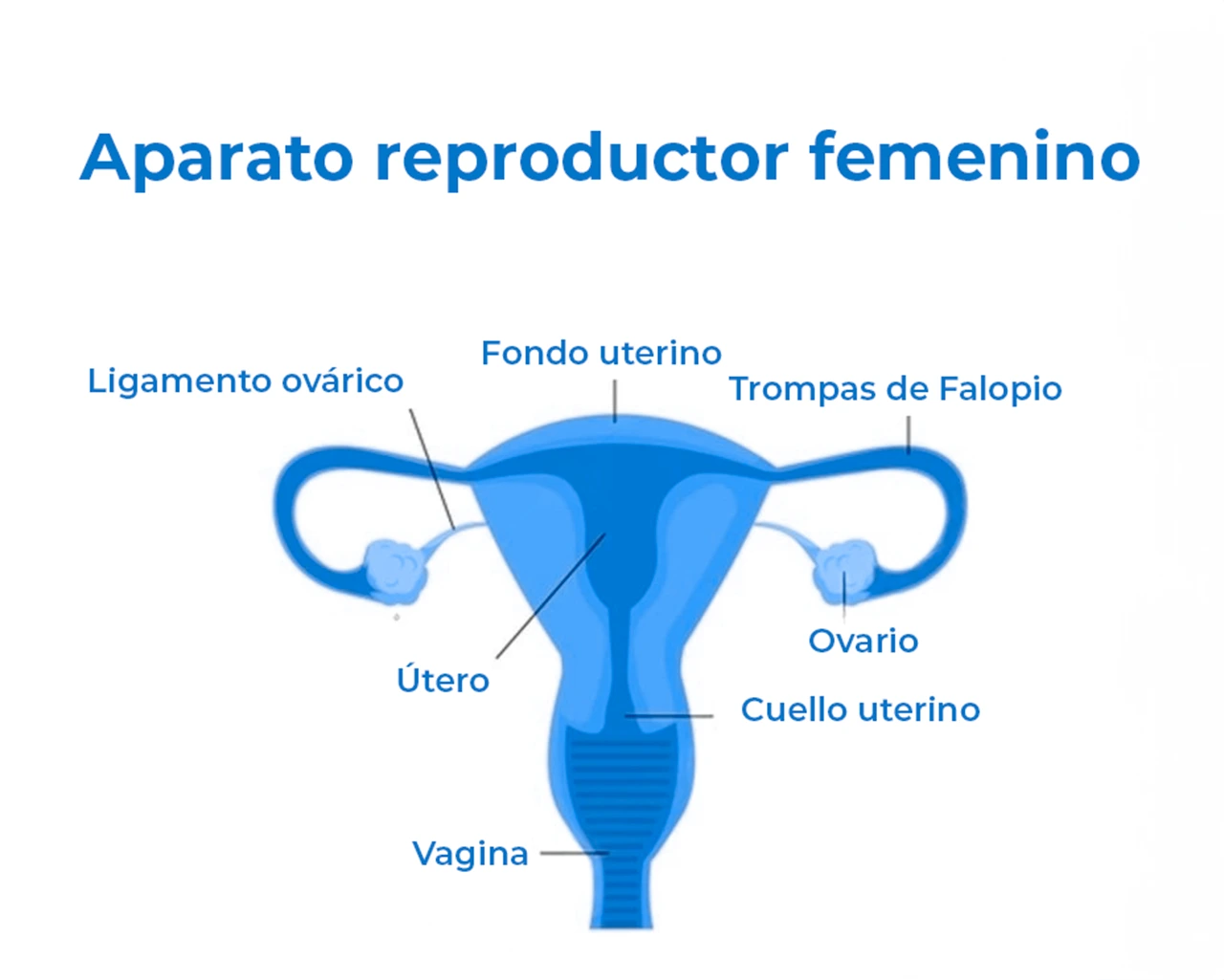
Although the term is often used generically, the vagina has a specific function: it is a flexible, muscular canal measuring about 8 to 12 centimeters (3 to 5 inches). Its walls are lined with a mucous membrane that maintains moisture and an acidic pH, which acts as a barrier against infections. The vagina has the capacity to expand significantly during intercourse and even more during childbirth, demonstrating the incredible flexibility of the reproductive system.
The Crucial Role of the Ovaries
The ovaries are not only essential for pregnancy; they are also the female body’s chemical factories. From birth, a woman possesses all the eggs she will ever have, but it is not until puberty that hormones activate them. The production of estrogen and progesterone in the ovaries regulates the development of secondary sexual characteristics and prepares the body for potential fertilization each month.
Warning Signs: When Something Is Wrong
The body constantly sends signals about the state of the reproductive system. A common question is: What is happening inside? How does your cycle work each month? The answer lies in hormonal fluctuations. However, when these cycles change drastically, it is time to pay attention.
Persistent pelvic pain that does not respond to over-the-counter pain relievers, or noticeable changes in the color, odor, or consistency of vaginal discharge, are indicators that the balance of vaginal flora or the health of internal organs may be compromised.
Menstrual Cycle Irregularities
A regular cycle typically lasts between 21 and 35 days. If you experience extremely heavy bleeding, periods that disappear without an obvious cause (amenorrhea), or bleeding between periods, an underlying condition may be present. These warning signs can indicate anything from hormonal imbalances to uterine fibroids or polyps. Do not ignore changes in your biological rhythm; the reproductive system uses menstruation as a "traffic light" for overall health.
Pain and Physical Discomfort
Pain during sexual intercourse (dyspareunia) or while urinating should not be considered normal. These discomforts are often linked to inflammation, infections, or conditions such as endometriosis. Likewise, the presence of lumps on the labia majora or in breast tissue requires immediate medical evaluation. Early detection is the most decisive factor in the success of any medical treatment related to the reproductive system.
Diseases of the Female Reproductive System
Various conditions can affect the female reproductive system, ranging in severity. Understanding their causes, symptoms, and diagnostic methods is essential for timely action.
Common Conditions and Their Treatments
- Vaginal Candidiasis (Yeast Infection): Caused by the fungus Candida albicans. Symptoms include intense itching and thick, white discharge. Diagnosis is made through clinical examination, and treatment typically involves topical or oral antifungals.
- Endometriosis: Occurs when tissue similar to the lining of the uterus grows outside the uterine cavity. It causes chronic pain and fertility issues. It is diagnosed via ultrasound or laparoscopy and treated with hormone therapy or surgery.
- HPV and Cervical Cancer: Human Papillomavirus (HPV) is the primary cause of cervical cancer. Screening and diagnosis are conducted through a Pap smear. Treatment depends on the stage, ranging from laser procedures to chemotherapy.
- Ovarian Cysts: Fluid-filled sacs on the ovaries. Many are benign and resolve on their own, but others require ultrasound monitoring or surgical intervention if they cause pain or risk torsion.
Infection Complications and Genetic Factors
Untreated sexually transmitted infections (STIs) can lead to pelvic inflammatory disease (PID), which can damage the fallopian tubes and impair fertility. On the other hand, conditions like uterine prolapse occur when pelvic floor ligaments weaken—a common issue after multiple childbirths or with age. Diagnosis involves a physical exam, and treatment ranges from strengthening exercises (Kegels) to pesaries or reconstructive surgery.
Preventive Screening Guide
Maintaining reproductive health requires a routine of regular checkups. It is not just about visiting the doctor when pain occurs, but establishing a preventive medicine routine to identify cellular changes before they turn into serious issues. Today’s medical technology allows most of these tests to be quick, safe, and highly accurate.
Pap Smear and Colposcopy
The Pap smear is the gold standard for detecting precancerous cells in the cervix. Annual screening is recommended starting from the onset of sexual activity. If results show abnormalities, a colposcopy is performed, allowing the physician to use a magnifying lens to examine the tissue closely and perform a biopsy if necessary. This process is essential in reducing uterine cancer mortality.
Pelvic and Transvaginal Ultrasounds
An ultrasound is the most effective method for evaluating the internal state of the ovaries and uterus. It detects cysts, fibroids, endometrial thickness, and other structural abnormalities. It is a non-invasive procedure that provides a clear image of the deeper reproductive organs, making it vital for both routine checkups and diagnostic evaluations for abdominal pain.
Practical Tips for Intimate Care
Caring for the female reproductive system begins with daily habits. Hygiene is essential, but it must be balanced; excessive use of scented soaps or vaginal douching can disrupt the natural pH and eliminate beneficial bacteria that protect the vagina. It is recommended to wash only the external area (vulva) with water or mild, neutral soap, and to dry thoroughly to prevent fungal growth caused by moisture.
Lifestyle and Prevention
Eating a balanced diet and maintaining a healthy weight directly support hormonal regulation. Obesity is linked to an increased risk of certain cancers and menstrual cycle disorders. Additionally, condom use is the only effective way to prevent most STIs. Listening to your body and prioritizing regular gynecological visits are the best strategies to keep your reproductive system healthy across every stage of life—from puberty through menopause.
At the Women’s Health Center at Centro Médico ABC, we provide specialized care. Contact us today!
Frequently Asked Questions
Who specializes in the female reproductive system? The medical specialist is a gynecologist. Gynecologists manage the overall health of the female reproductive system, while obstetricians specialize in pregnancy and childbirth.
What are the main functions of the female reproductive system? The primary functions include oogenesis (egg production), sex hormone synthesis, receiving sperm, transporting the fertilized egg, and carrying the fetus through gestation.
What are the internal and external reproductive organs? The external organs make up the vulva (clitoris, labia, and openings). The internal organs include the vagina, uterus (womb), fallopian tubes, and ovaries.
What is the main purpose of the reproductive system? Its primary biological purpose is the continuation of the human species through the production of reproductive cells and providing support for the development of new life.
At what age should you start seeing a gynecologist? The first visit is recommended between the ages of 13 and 15 to establish trust and education, or prior to becoming sexually active.