
Pillar: Medical Specialties
Tags: Cardiology
Normal Heart Rate: Values by Age and the Correct Measurement Technique
Maintaining control over our cardiovascular health is a fundamental pillar for a full and long life. Among all the indicators we can easily monitor, a normal heart rate stands out as an immediate measure of how our primary engine—the heart—is performing. Understanding whether your heartbeat falls within expected ranges is not merely a matter of curiosity, but a vital preventive tool for detecting potential irregularities early before they compromise your long-term well-being.
In this article, we will explore in detail what these heartbeats mean, the reference values based on age and physical activity, and how you can learn to measure them accurately. From normal heart rates in children to specific parameters for older adults, this guide provides the knowledge needed to interpret your pulse and know exactly when it is time to consult a specialist.
What Is Heart Rate and Why Is Monitoring It Vital?
To understand a normal heart rate or normal cardiac rhythm, we must first define what heart rate is. Simply put, heart rate is the number of times the heart beats or contracts in one minute, measured in beats per minute (bpm). It is essentially the speed at which the heart completes its cycle of systole and diastole to keep us alive.
For proper body function, the heart must pump blood to all organs at a specific pressure and rate. Monitoring how many times the heart beats per minute offers a direct window into the efficiency of the circulatory system.
There are several key reasons to track your heart rate:
- Fitness Tracking: It helps monitor physical condition and athletic progress.
- Early Detection: It allows for the timely identification of underlying health issues. A sudden change in your heart rate trends can be the first sign of stress, dehydration, fever, or more complex cardiac conditions.
Normal Values: How Many Beats Per Minute Are Ideal?
When asking what constitutes a normal heart rate, the quick answer is that it depends on your stage of life. Although every person is unique, a normal resting heart rate for adults generally ranges between 60 and 100 beats per minute. However, these ranges vary significantly for infants and older adults.
At birth, during the first month of life, the heart rate is extremely elevated due to rapid physiological development. As the body grows and the heart muscle strengthens, it pumps more blood with each contraction, allowing the resting heart rate to gradually decrease. Once a child reaches age 10, their heart rate typically stabilizes within adult ranges.
Normal Resting Heart Rate by Age
| Age Group | Range (Beats Per Minute – bpm) |
| Newborns (up to 1 month) | 70 – 190 bpm |
| Infants (1 to 11 months) | 80 – 160 bpm |
| Toddlers (1 to 2 years) | 80 – 130 bpm |
| Children (3 to 4 years) | 80 – 120 bpm |
| Children (5 to 6 years) | 75 – 115 bpm |
| Children (7 to 9 years) | 70 – 110 bpm |
| Children 10+ and Adults | 60 – 100 bpm |
Note on Older Adults: While 60–100 bpm remains the reference standard, an older heart may take slightly longer to adjust to changes in activity. Minor variations are also common due to medications such as blood pressure drugs.
Difference Between Cardiac Rhythm and Heart Rate
Although often used interchangeably in everyday conversation, an important technical distinction exists:
- Heart Rate: Refers strictly to the number of times the heart beats over a specific period (usually one minute). It is a quantitative measurement.
- Cardiac Rhythm: Refers to the regularity or pattern of those beats. It is a qualitative measurement.
A normal cardiac rhythm is steady, regular, and coordinated (sinus rhythm). Think of a song: heart rate is the tempo (speed), while cardiac rhythm is the cadence of the instruments. You can have a heart rate of 70 bpm (which is quantitative normal), but if the beats occur at irregular intervals, you may be experiencing an arrhythmia. Evaluating both your heart rate and its rhythm is essential for a complete cardiovascular assessment.
How to Accurately Measure Your Pulse
Knowing normal heart rate values is only useful if you know how to measure your own. While a physician can perform an electrocardiogram (ECG) for precise diagnostics, you can follow this simple process for daily home monitoring.
The pulse is most easily felt in four main areas: the inside of the wrist (radial pulse), the side of the neck (carotid pulse), the inside of the elbow (brachial pulse), or the top of the foot (pedal pulse).
Step-by-Step Instructions for Measuring Wrist Pulse:
- Preparation: Sit down and relax for at least 5 minutes before measuring. Avoid recent caffeine consumption or smoking.
- Positioning: Place your hand palm-side up. Using your other hand, place your index and middle fingers about two centimeters below the base of the thumb, in the groove between the bone and tendon.
- Pressure: Apply gentle pressure until you feel a firm pulse. Do not use your thumb, as it has its own pulse and can lead to inaccurate counts.
- Counting: Using a timer or stopwatch, count the beats for a full 60 seconds for the most accurate result. Alternatively, count for 30 seconds and multiply by two.
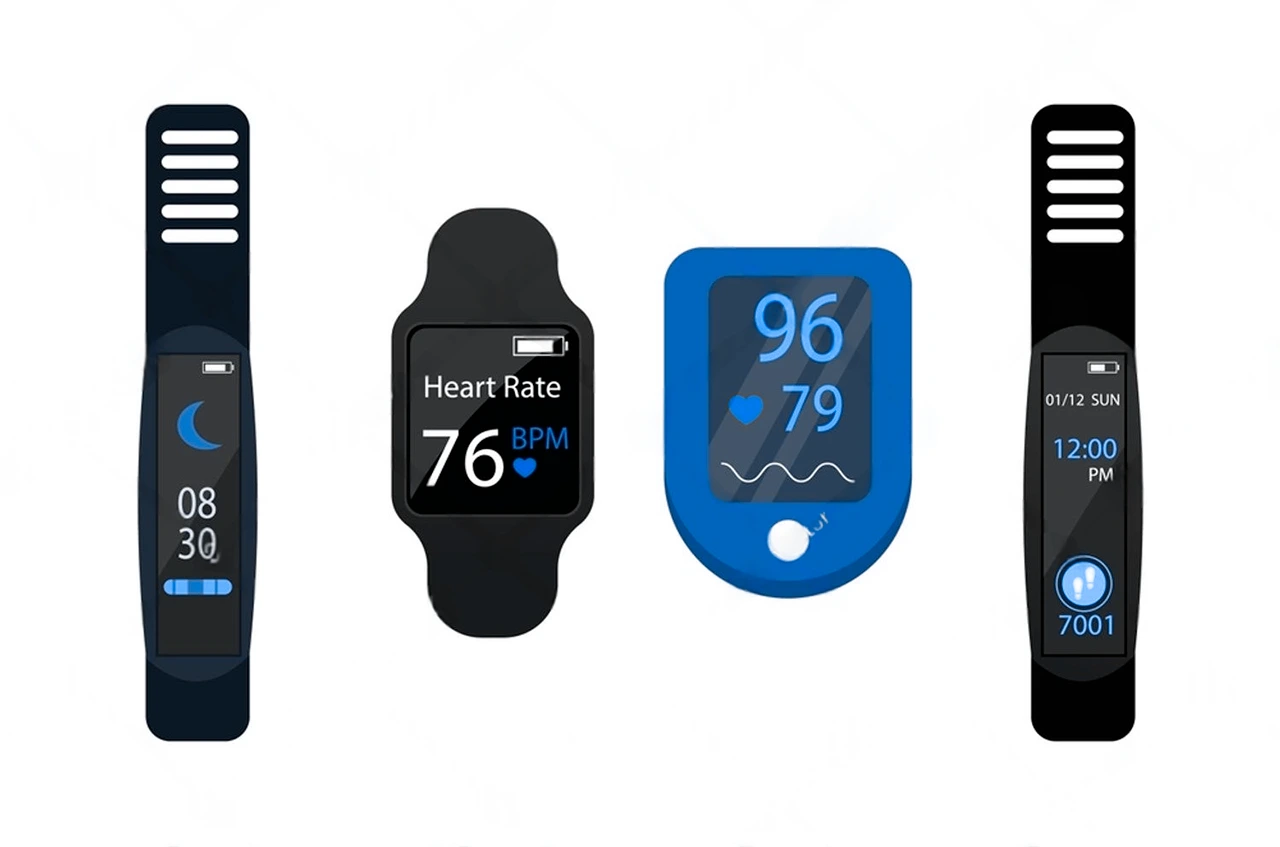
While smartwatches and wearable devices provide convenient ongoing monitoring, it is always recommended to verify unusual readings manually or with professional medical equipment.
Factors That Can Raise or Lower Your Heart Rate
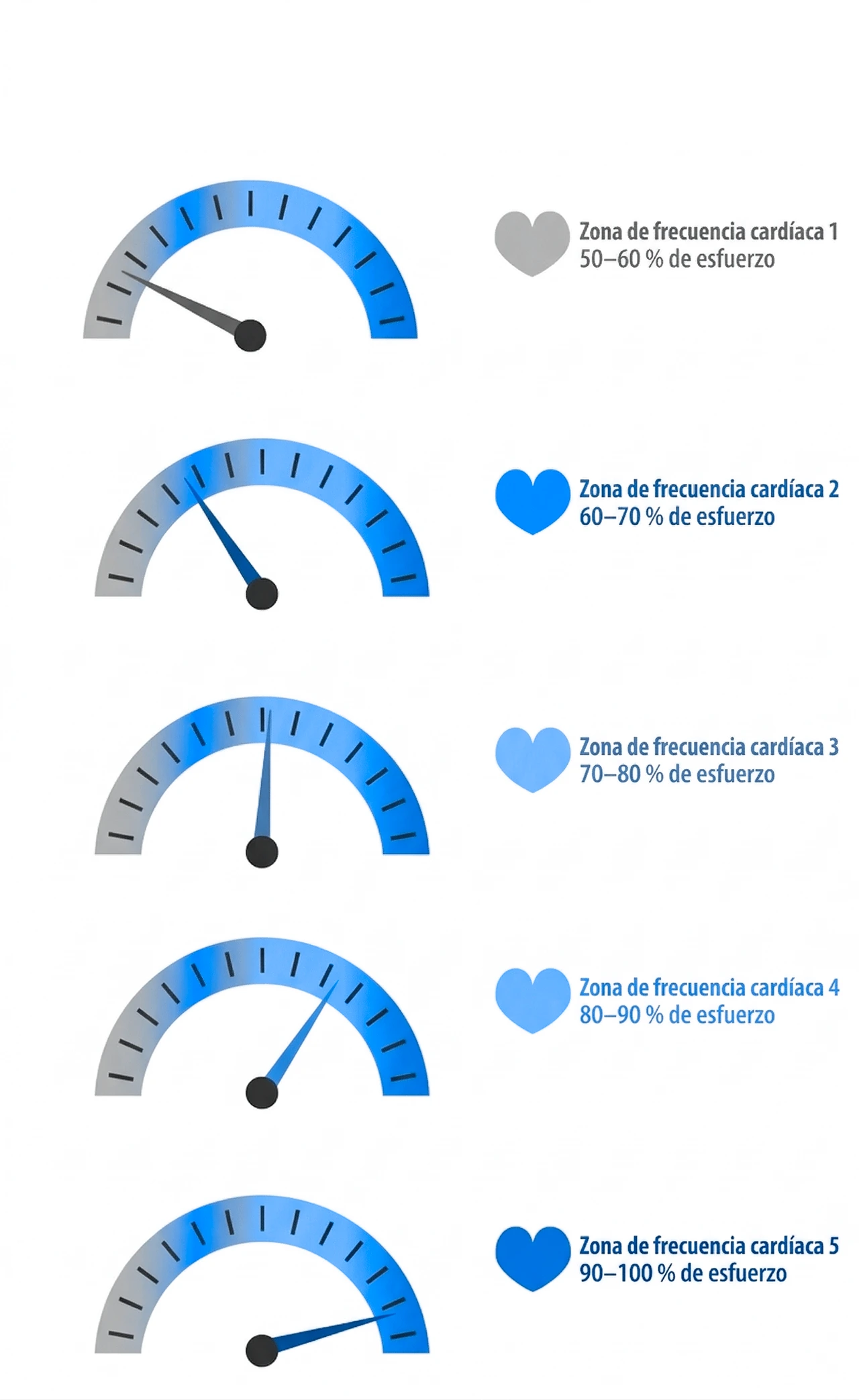
A heart rate outside the 60–100 bpm range does not always indicate disease. Many daily stimuli and situations cause natural variability:
- Exercise: The most common cause of an increased heart rate. Active muscles require more oxygen, forcing the heart to pump faster.
- Temperature and Humidity: In extreme heat or high humidity, the heart pumps more blood to the skin to cool the body, elevating the pulse.
- Body Position: Moving quickly from a sitting or lying position to standing causes a brief, normal spike as the body compensates for gravity.
- Emotional State: Stress, anxiety, fear, or excitement triggers hormones like adrenaline that accelerate your pulse.
- Medications: Certain drugs for asthma or thyroid conditions can raise heart rate, whereas beta-blockers (used for high blood pressure) typically lower it.
Heart Rate in Athletes: Why Is It Lower?
Well-trained athletes frequently display a resting heart rate well below average, sometimes ranging from 40 to 50 bpm. This is generally not a cause for concern, but rather a sign of superior cardiovascular efficiency.
Regular aerobic training strengthens and enlarges the heart muscle. An athletic heart pumps a larger volume of blood per contraction (higher stroke volume). Consequently, it needs fewer beats per minute to supply the necessary oxygen to the rest of the body.
During intense physical exertion, target heart rate zones shift. Age-based formulas are used to calculate maximum heart rate—for example, a 20-year-old may reach up to 200 bpm during peak exercise, whereas the limit for a 60-year-old is typically around 160 bpm.
When to Seek Medical Attention: Signs of Arrhythmia
While variations are normal, persistent deviations require medical attention. A resting heart rate consistently above 100 bpm is called tachycardia, while a rate below 60 bpm (in non-athletes) is called bradycardia.
Pay close attention if you experience palpitations—the sensation that your heart is fluttering, skipping a beat, or racing uncontrollably in your chest for no apparent reason. These can be symptoms of an underlying arrhythmia.
Seek Immediate Emergency Medical Care If Your Pulse Changes Are Accompanied By:
- Shortness of breath or difficulty breathing
- Dizziness, lightheadedness, or fainting (syncope)
- Chest pain, tightness, or pressure
- Sudden weakness or an inability to perform routine daily tasks
A cardiologist is the appropriate specialist to evaluate these factors using targeted diagnostic tests to determine if treatment is necessary. Keeping a log of your heart rate readings at different times of day can offer valuable insights during your cardiovascular evaluation.
At the Cardiovascular Center of Centro Médico ABC, we provide specialized care. Contact us today!
Frequently Asked Questions
Fuentes:
MedlinePlus, AMIIF, HealthyChildren