Identifying metabolic syndrome is essential for preventing or treating conditions early that could put a person’s health at risk.
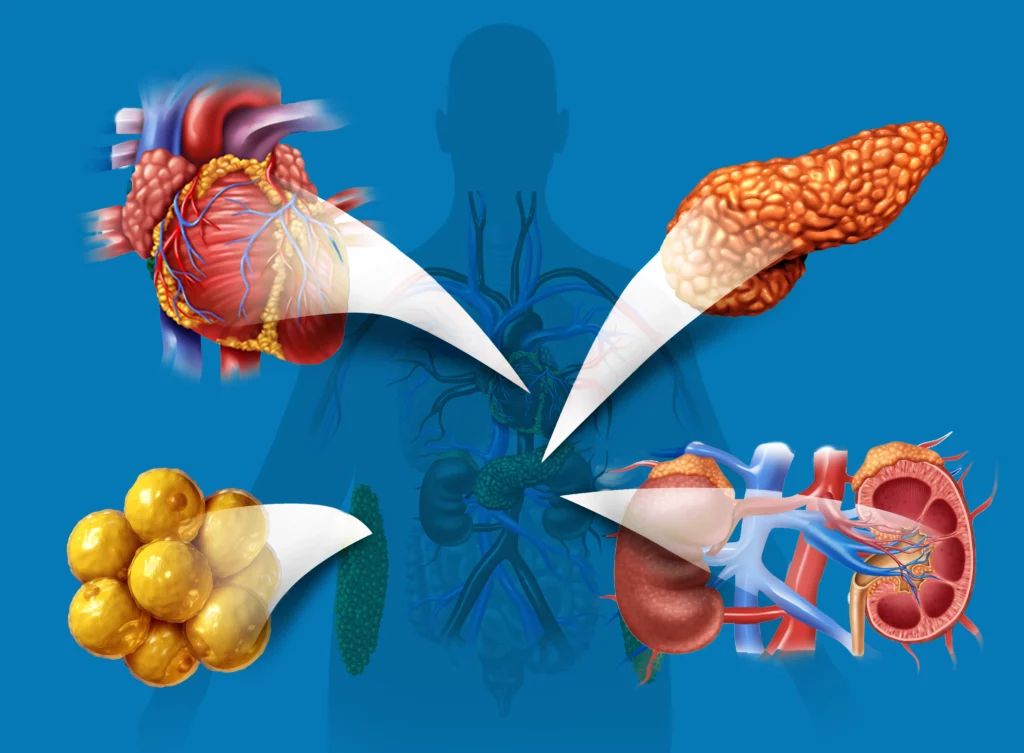
Metabolic syndrome is a combination of risk factors that increase the likelihood of developing various diseases, such as type 2 diabetes, cardiovascular problems, and other serious health disorders.
Multiple metabolic alterations, including increased blood pressure, excess abdominal fat, abnormal blood sugar levels, and high cholesterol characterize it.
Metabolic syndrome symptoms
In general, metabolic syndrome does not present obvious symptoms; however, the conditions associated with it may show specific signs. The most common include:
- Abdominal obesity: one of the most visible indicators, caused by the accumulation of fat in the abdominal region.
- High blood pressure: is common in people living with metabolic syndrome; however, hypertension often does not show symptoms at first.
- Blood sugar levels: high fasting glucose or persistent hyperglycemia are important indicators of metabolic syndrome. High blood sugar may also cause fatigue, increased thirst, or frequent urination.
- Lipid imbalance: dyslipidemia—especially high triglyceride levels and low HDL cholesterol—is another sign of metabolic syndrome.
It is important to highlight that each of these signs is not specific to metabolic syndrome, and they do not all have to occur at the same time; therefore, clinical testing is required for a definitive diagnosis.
Metabolic syndrome criteria
Healthcare professionals rely on specific criteria to identify the presence and severity of metabolic syndrome:
- Waist circumference: men with a waist circumference greater than 102 cm and women with one greater than 88 cm.
- Triglyceride levels: equal to or higher than 150 mg/dL.
- HDL cholesterol levels: less than 40 mg/dL in men and less than 50 mg/dL in women.
- Blood pressure: equal to or above 130/85 mm Hg or requiring antihypertensive medication.
- Glucose levels: fasting glucose equal to or greater than 100 mg/dL or requiring medication for hyperglycemia.
Each criterion measures a key risk factor associated with the development of metabolic syndrome. Identifying these allows physicians to predict the risk of cardiovascular or metabolic problems, helping them design an appropriate treatment plan.
Insulin resistance
Insulin resistance is an underlying mechanism in metabolic syndrome and one of the main risk factors for developing type 2 diabetes or certain cardiovascular diseases.
In this condition, the body’s cells do not respond properly to insulin, a hormone produced by the pancreas that allows glucose in the blood to enter the cells and be used as energy.
In someone with insulin resistance, the pancreas compensates by producing more insulin, resulting in excess insulin in the blood, known as hyperinsulinemia.
Hyperinsulinemia can have several consequences, including increased blood glucose, reduced fat metabolism, inflammation, oxidative stress, and hypertension.
To treat metabolic syndrome, it is necessary to reduce the risk of associated diseases, especially diabetes and cardiovascular conditions. For this reason, lifestyle changes, pharmacological treatment, and regular follow-up by a specialist are required.
Metabolic syndrome is a combination of dangerous risk factors that can lead to the development of serious chronic diseases. Preventing and treating it is essential to avoid future health complications.
AT ABC Medical Center’s Internal Medicine area, we can provide you with specialized care. Contact us!
Fuentes:
MedlinePlus, NIH, Scielo