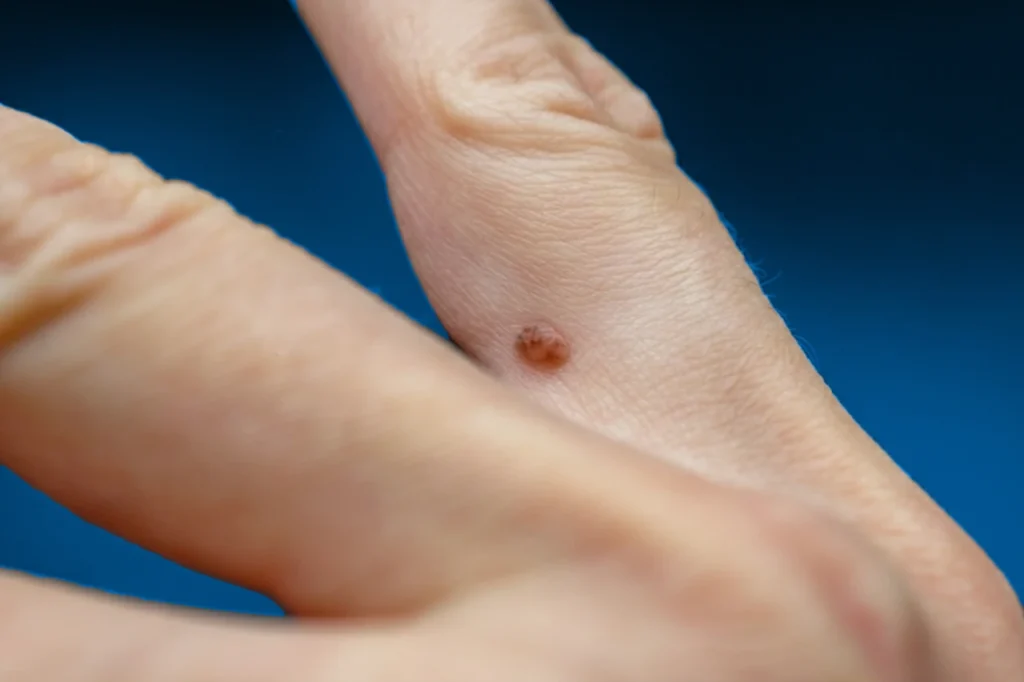
HPV can produce a range of manifestations, from genital warts and skin lesions to cellular changes in the cervix. It is estimated that nearly 80% of sexually active people will contract some form of human papillomavirus at some point in their lives. Despite its high prevalence, most people who are infected will never know it, as the virus frequently causes no noticeable symptoms.
That said, certain signs and discomforts can appear, and their severity varies from person to person, which is why learning to recognize the symptoms of HPV is so important.
What Is HPV?
Human papillomavirus (HPV) is a group of more than 200 related viruses, of which approximately 40 can be transmitted through sexual contact. These strains affect the skin and mucous membranes, particularly in the genital, anal, and oral areas.
HPV is generally classified into two groups:
- Low-risk HPV: Associated with genital warts and skin papillomas but does not pose a life-threatening risk.
- High-risk HPV: Linked to the development of several types of cancer, including cervical cancer, anal cancer, penile cancer, and oropharyngeal cancer.
One of the most significant characteristics of HPV is that it can remain in the body for years without producing any symptoms. This invisibility makes it easy for the virus to spread, since many people are unaware they are carriers.
Transmission typically occurs through vaginal, anal, or oral sexual contact, though skin-to-skin contact in the genital area can also transmit the virus. Condom use reduces the risk but does not eliminate it entirely, as the virus can infect areas not covered by a condom.
Symptoms of HPV
HPV symptoms can vary widely in intensity and severity, and they are not always as straightforward to identify as those of other infections.
When symptoms are present, they may include:
- Genital warts: One of the most recognizable manifestations of HPV, genital warts appear as small growths on the skin that vary in size and shape. They may be flat or raised, single or multiple, and can sometimes resemble a cauliflower. They can develop on the vulva, vaginal walls, cervix, anal region, penis, or scrotum. While generally painless, they may cause itching, burning, discomfort, or bleeding if irritated.
- Lesions in the mouth or throat: Certain HPV strains can be transmitted through oral sex, causing warts on the lips, tongue, palate, or throat. In more serious cases involving high-risk HPV types, precancerous lesions or oropharyngeal cancer may develop.
- Cervical changes: In women, HPV can cause cellular changes in the cervix that are only detectable through medical testing, such as a Pap smear or colposcopy. These changes produce no visible symptoms, but identifying them early is critical, as they can progress to cervical cancer if left untreated.
- General discomfort: Some individuals may also experience pain, burning, or bleeding during sexual intercourse, and women may notice unusual vaginal discharge or odor.
Although visible symptoms are a clear indication of HPV exposure, the absence of symptoms, which is the case for the vast majority of those infected, does not prevent transmission to others. This makes regular medical check-ups essential.
Can HPV Be Cured?
While there is currently no treatment that completely eliminates the virus from the body, this does not mean there are no options for managing it and preventing its complications.
In most cases, whether or not symptoms are present, the immune system can clear the virus on its own within 1 to 2 years without treatment.
When symptoms such as warts or other lesions are present, a physician may recommend treatments such as cryotherapy (freezing the warts), electrocauterization (burning warts with an electrical current), application of chemical agents, or minor surgery to remove lesions. These approaches eliminate the visible manifestations but do not guarantee the virus will be fully eradicated from the body, so symptom recurrence is possible.
In cases where HPV causes cellular changes in the cervix or other areas, procedures such as cervical conization, laser therapy, or surgery may be performed to remove the affected tissue and reduce the risk of cancer progression.
The most effective strategy against HPV, however, remains prevention. Safe and highly effective vaccines are currently available that protect against the most common high- and low-risk HPV strains. While the vaccine is ideally administered before the onset of sexual activity, it still offers meaningful benefits when given later.
Detecting HPV symptoms or warning signs early is crucial for receiving timely treatment and preventing the infection from progressing to a more serious condition.
ABC Medical Center’s Internal Medicine department offers specialized care. Contact us today!
Fuentes: MedlinePlus, NIH, OPS