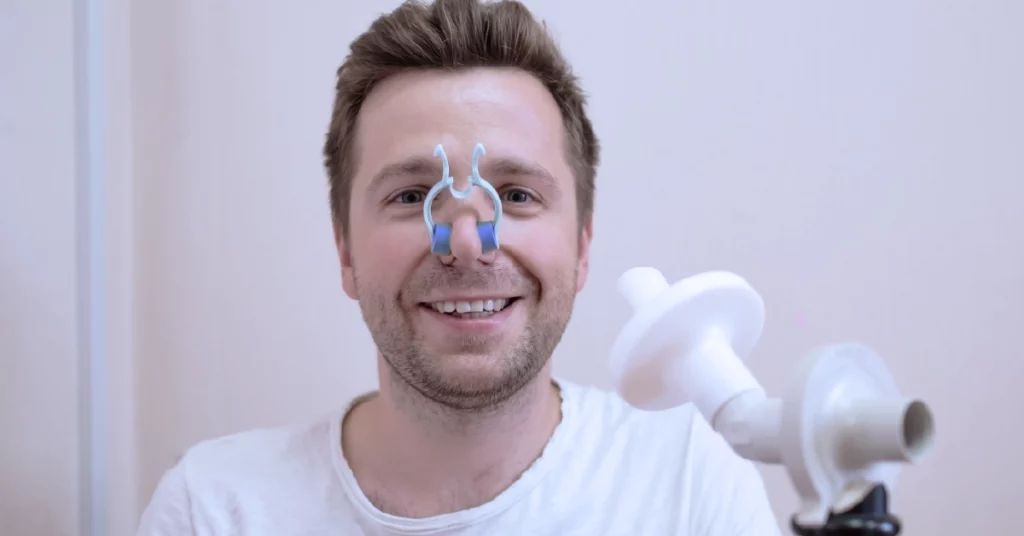
A pulmonologist is a physician who specializes in the diagnosis and treatment of conditions affecting the respiratory system. Pulmonology, as a specialty, covers the study and management of diseases that directly affect the airways, from the nose to the lungs.
What Does a Pulmonologist Do?
A pulmonologist has the training and expertise to comprehensively address the needs of patients with any condition affecting their respiratory system. This includes the knowledge to identify a wide range of diseases, as well as proficiency with diagnostic tools such as spirometry, bronchoscopy, and high-resolution computed tomography (HRCT).
While pulmonologists manage a broad spectrum of conditions, the most common include:
- Chronic lung diseases: Including chronic obstructive pulmonary disease (COPD), which encompasses emphysema and chronic bronchitis, as well as asthma.
- Respiratory infections: From mild infections to more serious conditions such as pneumonia or bronchitis.
- Interstitial lung diseases: Such as pulmonary fibrosis (scarring of lung tissue) and sarcoidosis, an inflammatory disease that affects multiple organs but most notably the lungs.
- Lung cancer: Pulmonologists play a key role in the diagnosis and management of malignant lung tumors.
- Sleep-related breathing disorders: Including sleep apnea and its associated complications.
- Occupational lung diseases: Such as pneumoconiosis caused by inhaling dust particles (silicosis or asbestos-related disease), as well as occupational asthma triggered by workplace substances.
- Upper airway obstruction: Problems affecting the main bronchi, trachea, or larynx.
- Ventilatory disorders: Respiratory failure resulting from the lungs’ inability to deliver adequate oxygen to the blood or remove carbon dioxide, as well as care for patients requiring ventilatory support for any reason.
- Immunological conditions: Such as allergic asthma or hypersensitivity pneumonitis.
- Smoking-related lung disease: Pulmonary conditions directly linked to tobacco use.
When to See a Pulmonologist
There are many situations, some common, others more specific, that may call for a visit to a pulmonologist.
The main signs warranting specialized respiratory care include persistent respiratory symptoms, such as a chronic cough lasting more than 3 weeks, shortness of breath, wheezing, or chest pain. While these symptoms don’t always indicate a serious condition, seeking specialized attention early is important to prevent the condition from worsening.
Patients with chronic conditions such as pulmonary fibrosis, COPD, or asthma can benefit greatly from ongoing pulmonological care, which can significantly improve quality of life.
People who experience recurrent respiratory infections, such as bronchitis or pneumonia, may also benefit from seeing a pulmonologist, who can assess whether an underlying lung condition is contributing to the pattern.
People with a history of prolonged exposure to harmful substances, such as tobacco smoke, asbestos, or industrial chemicals, should also consider seeing a pulmonologist, particularly if any respiratory symptoms have begun to appear. Long-term exposure to these agents substantially increases the risk of developing serious lung disease.
Pulmonology for Adults
Pulmonology services are divided into adult and pediatric specialties. In adult pulmonology, specialists address the wide range of respiratory conditions that tend to emerge and progress with age.
COPD is one of the most prevalent respiratory diseases in adults, particularly in those with a history of chronic tobacco exposure. This progressive condition causes airflow obstruction and can manifest as chronic bronchitis or pulmonary emphysema.
Lung cancer is one of the leading causes of cancer-related death worldwide. Pulmonologists play a crucial role in its early detection and management, directly influencing a patient’s treatment options and outcomes.
Adult-onset asthma can cause severe symptoms requiring intensive management. Pulmonologists help identify triggers, develop individualized treatment plans, and work to minimize the impact of the disease on daily life.
Pulmonary rehabilitation is another important area of adult pulmonology. Many patients with chronic respiratory disease require rehabilitation as a core component of their treatment, including structured physical exercise, disease education, and other strategies designed to improve overall quality of life.
In summary, pulmonologists are specialized physicians dedicated to the care and treatment of the respiratory system, whether the goal is to cure a condition outright or to manage chronic symptoms and improve a patient’s well-being. If you are experiencing persistent respiratory symptoms or breathing difficulties that affect your quality of life, seeking care from a pulmonologist is strongly recommended.
Find a Pulmonologist Near You
ABC Medical Center’s Internal Medicine Department has a team of highly trained pulmonology specialists dedicated to providing comprehensive, personalized care for all your respiratory health needs.
Looking for a pulmonologist in Mexico City? Our specialists are committed to your well-being, using the latest technology and most advanced treatments to manage conditions such as respiratory infections, pulmonary emphysema, COPD, and more.