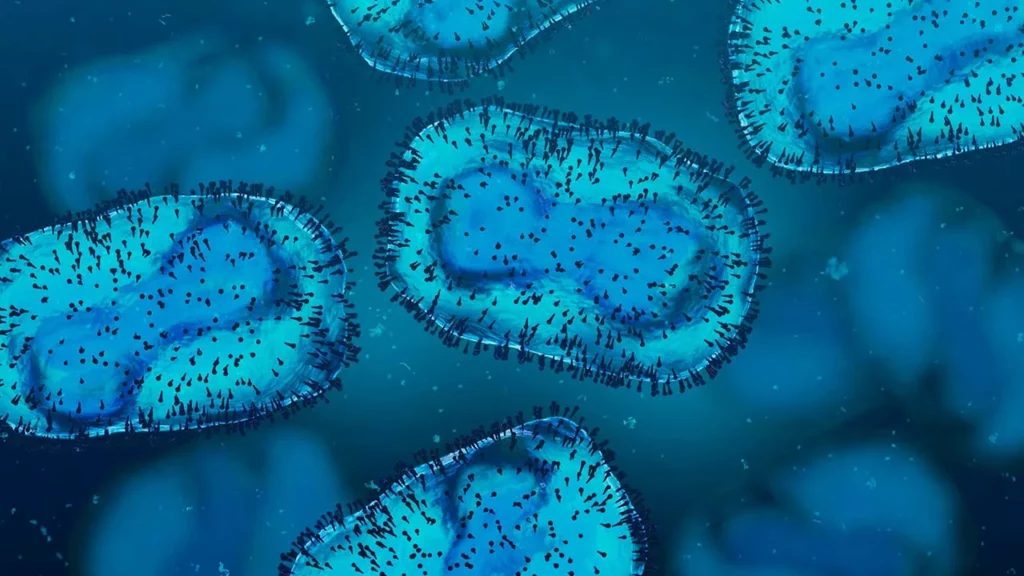
On August 14, the WHO’s General Director declared the MPox outbreak a global public health emergency. Given this situation, it is important to recognize the symptoms so preventive measures can be taken to stop its spread.
This decision arises due to the growing number of African countries that have reported infections and deaths from this disease.
MPox, also known as monkeypox or mpox virus infection, is a viral disease caused by the monkeypox virus, which is similar to the human smallpox virus but generally less severe. However, individual characteristics can increase the risk to a person’s health or life.
What is monkeypox
Although a person who has contracted MPox usually begins to show signs and symptoms about a week after exposure, there are cases in which symptoms appear within one day or up to three weeks later.
These symptoms typically last two to four weeks, although they may persist longer in people with weakened immune systems.
In MPox, similar symptoms occur in both children and adults:
- Skin rash.
- Fever.
- Headache, sore throat, muscle pain, and/or back pain.
- Lack of energy.
- Swollen lymph nodes.
Monkeypox usually begins with a skin rash: a spot that later becomes a fluid-filled blister that may be painful and itchy. As the blister begins to heal, it dries out and forms a scab that eventually falls off.
The number of skin lesions varies from person to person; some may have only a few, while others may have hundreds, appearing anywhere on the body.
Monkeypox, how it spreads
Monkeypox is transmitted through direct skin-to-skin contact; there are also cases in which contact with blood, saliva, urine, or feces can cause transmission. Of course, the skin lesions of an infected person are themselves contagious.
There is also a risk of transmission through respiratory droplets produced when talking, sneezing, or coughing.
Is monkeypox fatal
A common question is whether monkeypox is fatal. In general terms, it is a less severe disease than conventional smallpox. However, its severity can vary depending on factors such as the infected person’s health and immune response.
In most cases, symptoms are mild to moderate and include fever, headache, muscle pain, fatigue, and skin rashes.
However, in people with weakened immune systems, as well as in very young individuals or older adults, MPox can become a serious disease. It may lead to other conditions such as pneumonia, encephalitis, or severe skin infections; these complications can increase health risks and even be life-threatening.
How long does monkeypox last
MPox usually lasts between two and four weeks, but this period varies depending on the severity of the infection and the patient’s overall health. For this reason, it is important to receive appropriate treatment to prevent infecting others and to avoid worsening the condition.
The goal of MPox treatment is to care for skin rashes so they heal as quickly as possible and prevent them from spreading or becoming infected. Medications may also be used to relieve pain and fever. Rest is another measure that helps promote recovery.
If more serious complications from MPox occur, individualized treatment will be provided based on each complication. This may include hospitalization, antiviral medications, or supportive therapy.
If you suspect you may have been infected with MPox, or if you begin to experience symptoms related to this condition, it is important to seek specialized medical care to avoid potential health risks.
Vaccination, although not a direct treatment, is also a useful tool to reduce the risk of infection.
Regardless of whether monkeypox symptoms appear in children or adults, everyone should seek immediate medical attention.
At ABC Medical Center’s Emergency Room, we can provide you with specialized care. Contact us!
Fuentes:
OMS, Secretaría de Salud, MSD Manuals