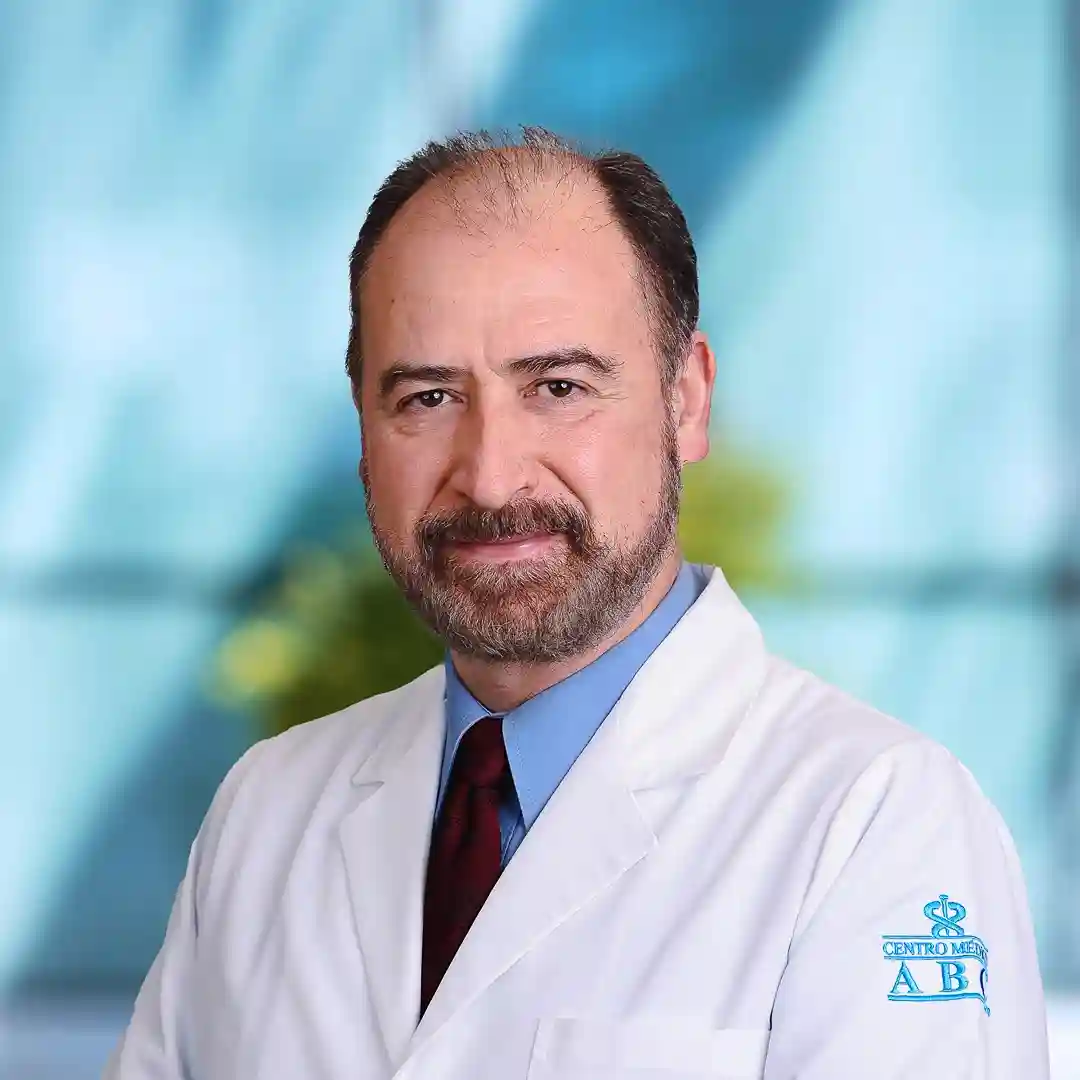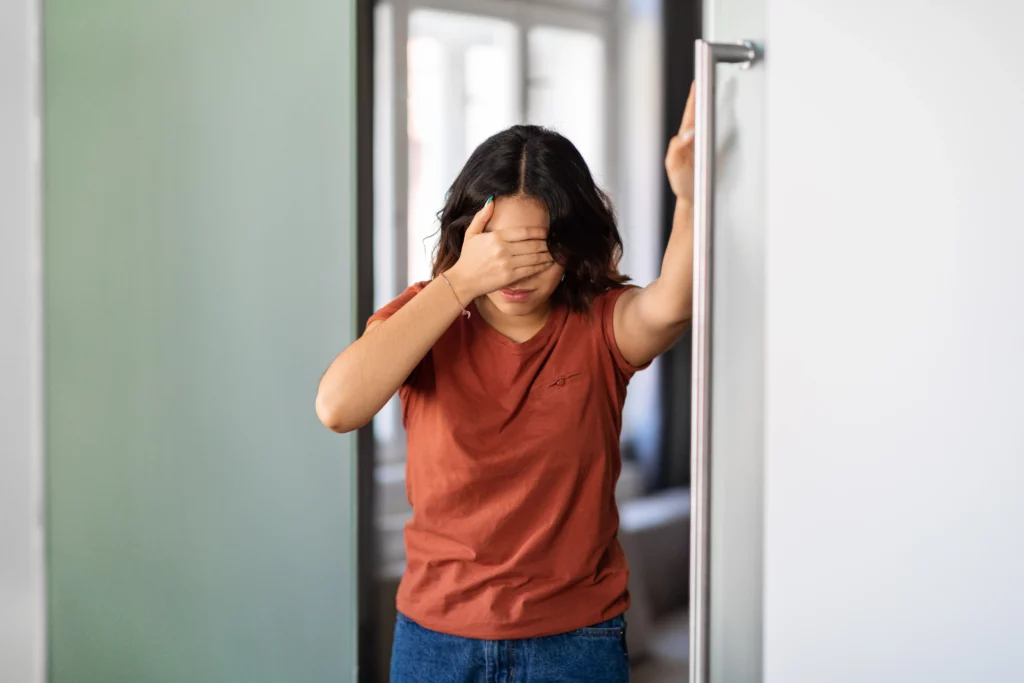
Vertigo is a symptom in which a person experiences the sensation that everything around them is spinning, or that they themselves are spinning uncontrollably, explains Dr. Francisco José Gallardo Ollervides, a specialist in neuro-otology and otolaryngology at ABC Medical Center.
Mexico’s Secretaría de Salud (Ministry of Health) reports that up to 30% of the Mexican population experiences dizziness, making it one of the most common reasons adults seek medical care.
What Is Vertigo?
Beyond the sensation of spinning, vertigo is a symptom of an underlying medical condition, typically linked to the vestibular system of the inner ear, the system responsible for balance and the perception of movement.
What Causes Vertigo?
In general terms, the causes of vertigo can be divided into two broad categories, explains Dr. Gallardo:
- Central causes: Originating in the central nervous system, that is, in the brain itself.
- Peripheral causes: Originating in the movement sensors that surround the brain or send information to it, specifically, those located in the inner ear.
Common central causes include vestibular migraine, reduced blood flow to the brain resulting in inadequate oxygenation, degenerative diseases affecting the central nervous system, and tumors or structural lesions that compress or interfere with specific areas of the brain.
Peripheral causes include Ménière’s disease, vestibular neuritis, benign paroxysmal positional vertigo (BPPV), the most common form of vertigo, caused by displaced calcium crystals in the inner ear, as well as head trauma and vascular disease of the inner ear.
Symptoms of Vertigo
The hallmark symptom of vertigo is a rotational sensation, either of the person or of their surroundings. However, additional symptoms may also be present, varying depending on the underlying cause:
- Difficulty focusing
- Dizziness, nausea, or vomiting
- Hearing loss
- Loss of balance, which may lead to falls
- Tinnitus (ringing in the ears)
When the cause is central in origin, additional neurological symptoms may also appear:
- Difficulty swallowing
- Double vision or other eye movement abnormalities
- Facial paralysis
- Difficulty speaking
- Limb weakness
Vertigo vs. Dizziness: Are They the Same Thing?
Although often used interchangeably, vertigo and dizziness are not the same. Dizziness refers to a general sense of unsteadiness, light-headedness, or a feeling of spatial disorientation, without a specific rotational component.
Vertigo, by contrast, involves a distinct sensation of rotational movement, either of the person themselves or of their environment, and is frequently accompanied by significant anxiety, insecurity, and fear.
Treatment for Vertigo
Treating vertigo is a highly individualized process, notes Dr. Gallardo. Because vertigo is a symptom, identifying and addressing its underlying cause is the primary objective, only then can a targeted treatment plan be designed.
At the same time, managing the vertigo itself is equally important. The spinning sensation generates considerable anxiety, and accompanying symptoms such as vomiting, excessive sweating, and nausea must also be addressed.
Seeking specialized care is essential for two key reasons: first, because vertigo may be a sign of an underlying condition that requires treatment in its own right; and second, because the loss of balance associated with vertigo puts patients at a real risk of falls.
While awaiting or undergoing treatment, people living with vertigo can take steps at home to reduce this risk, such as removing trip hazards and obstacles from their immediate environment.
Depending on the root cause, treatment may involve medication, surgery, vestibular rehabilitation, or a combination of approaches. The most appropriate course of action will always be determined based on the full clinical picture of each individual patient.
ABC Medical Center’s Neurology Center offers specialized care for vertigo and related conditions. Contact us today to learn more about possible causes and treatment options.
Fuentes:
Dr. Francisco José Gallardo Ollervides – Especialista en neurootología y otorrinolaringología en el Centro Médico ABC
YouTube Centro Médico ABC
Secretaría de Salud