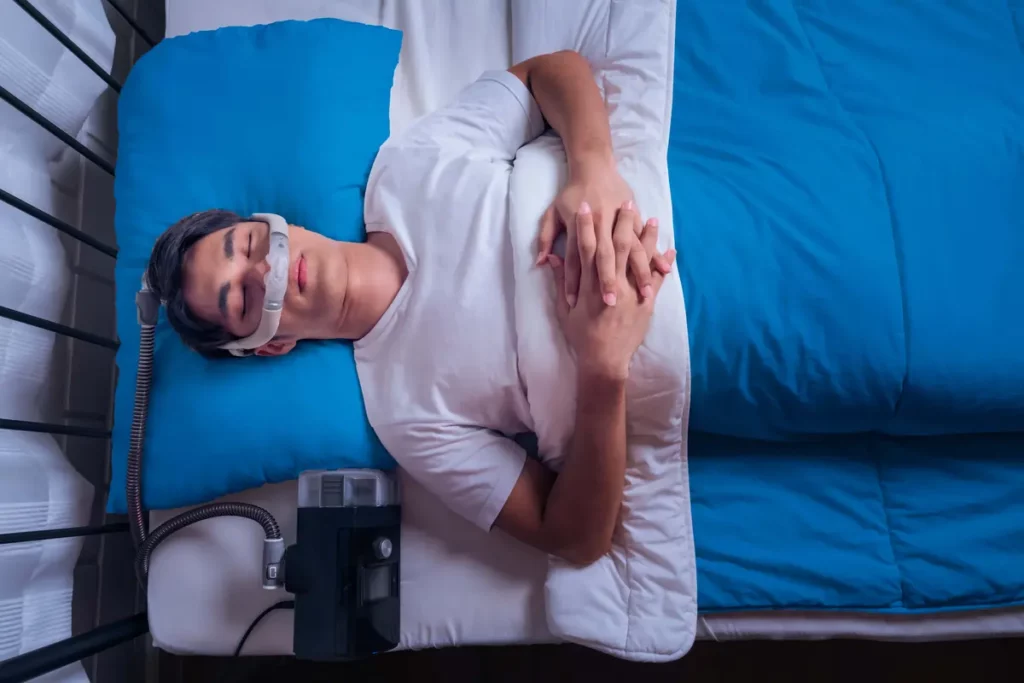
Finding the right treatment for sleep apnea requires a thorough understanding of its underlying cause.
Sleep apnea is a disorder that affects millions of people worldwide and is characterized by repeated interruptions in breathing during sleep. Symptoms vary from person to person, but the most common include loud snoring, breathing pauses, gasping, and choking during sleep, as well as secondary effects such as daytime sleepiness, fatigue, difficulty concentrating, and morning headaches.
What Causes Sleep Apnea?
Sleep apnea is defined by pauses in breathing or episodes of shallow breathing during sleep. These pauses typically last a few seconds but can extend to minutes and may occur as infrequently as a handful of times per night or as often as 30 or more times per hour.
After each pause, the person usually resumes breathing with a loud snore or gasping sound. There are two main types of sleep apnea.
Obstructive Sleep Apnea (OSA)
This is the most common form and occurs when the muscles of the throat relax excessively, leading to a partial or complete blockage of the airway. Contributing factors include obesity, neck anatomy, age-related loss of muscle tone, genetic predisposition, alcohol consumption, and the use of sedatives.
Central Sleep Apnea (CSA)
This less common form occurs when the brain fails to send the proper signals to the muscles that control breathing. It is often associated with underlying medical conditions that affect brain function, such as heart failure or stroke. Certain medications can also interfere with the brain’s ability to regulate breathing. In some cases, environmental factors may contribute as well, most notably living at high altitude, where reduced oxygen levels can disrupt normal respiratory control.
Can Sleep Apnea Be Cured?
Whether sleep apnea can be “cured” depends heavily on the type and severity of the condition. Once these are established, a targeted treatment plan can be developed.
Lifestyle changes
are among the most widely recommended first steps and can significantly reduce symptoms. These include losing weight, avoiding alcohol, especially before bedtime, and sleeping on one’s side, among other adjustments.
For more complex or severe cases,
oral appliances
such as mandibular advancement devices or tongue-retaining devices may be recommended to help keep the airway open during sleep.
Continuous positive airway pressure (CPAP) therapy
is another highly effective option that uses a mask to deliver a steady stream of pressurized air to prevent the airway from collapsing.
Surgery
may be considered for severe cases, with the goal of removing excess tissue or correcting an underlying structural abnormality.
Treating any contributing underlying conditions is also an essential component of comprehensive sleep apnea management.
Which Specialist Treats Sleep Apnea?
Diagnosing sleep apnea typically involves input from multiple specialists. In most cases, a primary care physician is the first to recognize the symptoms and will refer the patient accordingly.
The most appropriate specialists for managing this condition are sleep disorder specialists, who are most commonly found within the field of neurology.
Depending on the individual case, pulmonologists, who specialize in respiratory and lung conditions, or otolaryngologists (ENT specialists), who address the anatomy of the nose and throat, may also be involved in the diagnostic and treatment process.
Is Sleep Apnea Dangerous?
Treating sleep apnea is critically important because although its early stages may seem manageable, untreated sleep apnea can lead to serious health consequences:
- Cardiovascular disease: Sleep apnea is associated with a significantly increased risk of hypertension, heart attack, heart failure, and stroke.
- Diabetes: There is a well-established correlation between sleep apnea and insulin resistance, which can contribute to the development of type 2 diabetes.
- Excessive daytime sleepiness: The constant disruption of sleep leads to chronic fatigue that can impair work performance and raise the risk of accidents in everyday life.
- Cognitive impairment: Without restorative sleep, memory, concentration, and decision-making abilities can all deteriorate over time.
- Mental health: Sleep apnea and other sleep disorders are strongly linked to anxiety and depression.
- Increased mortality risk: While sleep apnea itself is not a direct cause of death, repeated breathing pauses can cause blood oxygen levels to drop, placing significant stress on the cardiovascular system. Excessive daytime sleepiness also poses safety risks that, in certain situations, can be fatal.
For all these reasons, seeking timely and appropriate treatment is essential. Sleep apnea is a common disorder, but without proper care, it can profoundly affect both health and quality of life.
If you are experiencing difficulty sleeping or recognizing any of the symptoms described, seeking specialized care is strongly recommended to prevent complications.
ABC Medical Center’s Neurology Center offers specialized care for sleep apnea. Contact us today!