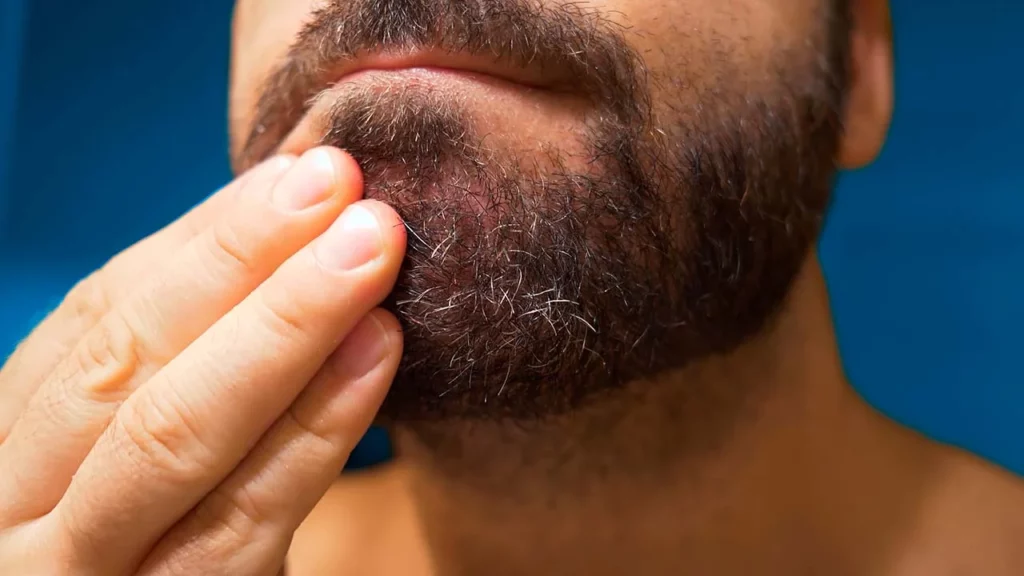
Inflammation of the hair follicles, or folliculitis, is a widespread skin condition that responds well to appropriate treatment, and with the right approach, recurrence can also be prevented. Together with dermatitis and psoriasis, it is among the dermatological conditions most commonly seen by skin specialists.
What Is Folliculitis?
Folliculitis is the inflammation of a hair follicle and can occur anywhere on the body where hair grows, including the scalp, face, torso, legs, and genital area.
To understand folliculitis, it helps to know what a hair follicle actually is. It is a complex skin structure made up of several components:
- The hair bulb: The base of the follicle and the point where hair originates.
- The dermal papilla: A small projection containing blood vessels that nourish the hair.
- The sebaceous glands: Secrete sebum, an oily substance that lubricates and protects the hair.
- The arrector pili muscle: A tiny muscle that causes the hair to stand upright, commonly known as goosebumps.
Hair follicles serve several important functions. They produce and support hair growth, which in turn helps protect the skin from environmental damage and UV radiation. The hair connected to each follicle also contains nerve endings that contribute to the sense of touch.
What Causes Folliculitis?
There are multiple reasons why folliculitis can develop. The most common causes include:
- Bacteria: Bacterial infection is the most frequent cause, most often involving Staphylococcus aureus, a bacterium that is part of the normal skin and nasal flora but can become pathogenic under certain conditions.
- Fungi: Fungal infections can also trigger folliculitis, particularly in warm and humid climates.
- Irritation from shaving or hair removal: Both shaving and waxing can damage hair follicles, causing irritation that leads to folliculitis.
- Excess moisture and sweat: High humidity and perspiration create an environment that promotes bacterial growth and folliculitis development.
- Tight clothing: Clothing that generates constant friction against the skin can irritate both the skin surface and the hair follicles.
Genital Folliculitis
The genital area is particularly susceptible to folliculitis due to its specific characteristics. It is a warm, dark region prone to sweating, typically covered by tight-fitting clothing, and often subjected to cosmetic hair removal procedures that can irritate the skin.
Depending on severity, genital folliculitis may present as small red bumps resembling pimples, along with redness, swelling, mild pain, itching, or tenderness in the affected area.
In more severe cases, pustules or pus-filled lesions may develop, which, if they rupture, can form crusts.
Folliculitis Treatment and Care
In most cases, a dermatologist can diagnose folliculitis through direct clinical assessment of the skin and a review of symptoms. More complex presentations, including severe or frequently recurring cases, may call for additional investigation, such as culturing the pus or performing a skin biopsy. These tests tend to be reserved for cases where the condition may be related to furuncles, which resemble folliculitis but involve a deeper layer of the skin.
Regardless of whether folliculitis affects the scalp, genital region, or any other area of the body, treatment should be tailored to the severity of symptoms, the affected area, and the individual patient’s characteristics. In general, treatment focuses on:
- Topical treatments: Applied directly to the skin, these may include antibiotics, antiseptics, or antifungal creams.
- Systemic treatments: Oral medications targeting the underlying bacterial or fungal cause, prescribed based on the specific case.
- Skin care guidance: The dermatologist will recommend specific measures to support healing, such as maintaining regular hygiene to keep the skin clean and dry, applying warm compresses to relieve pain and reduce inflammation, and using soothing products such as aloe vera.
Since folliculitis tends to recur, preventive measures are important. These include maintaining good skin hygiene, avoiding tight clothing, using the gentlest possible shaving or hair removal techniques and changing razor blades frequently, not sharing personal hygiene items, and managing excessive sweating when present.
ABC Medical Center’s Internal Medicine Department offers specialized care for folliculitis and other skin conditions. Contact us today!
Fuentes: MedlinePlus, Cigna, StanfordChildrens.org